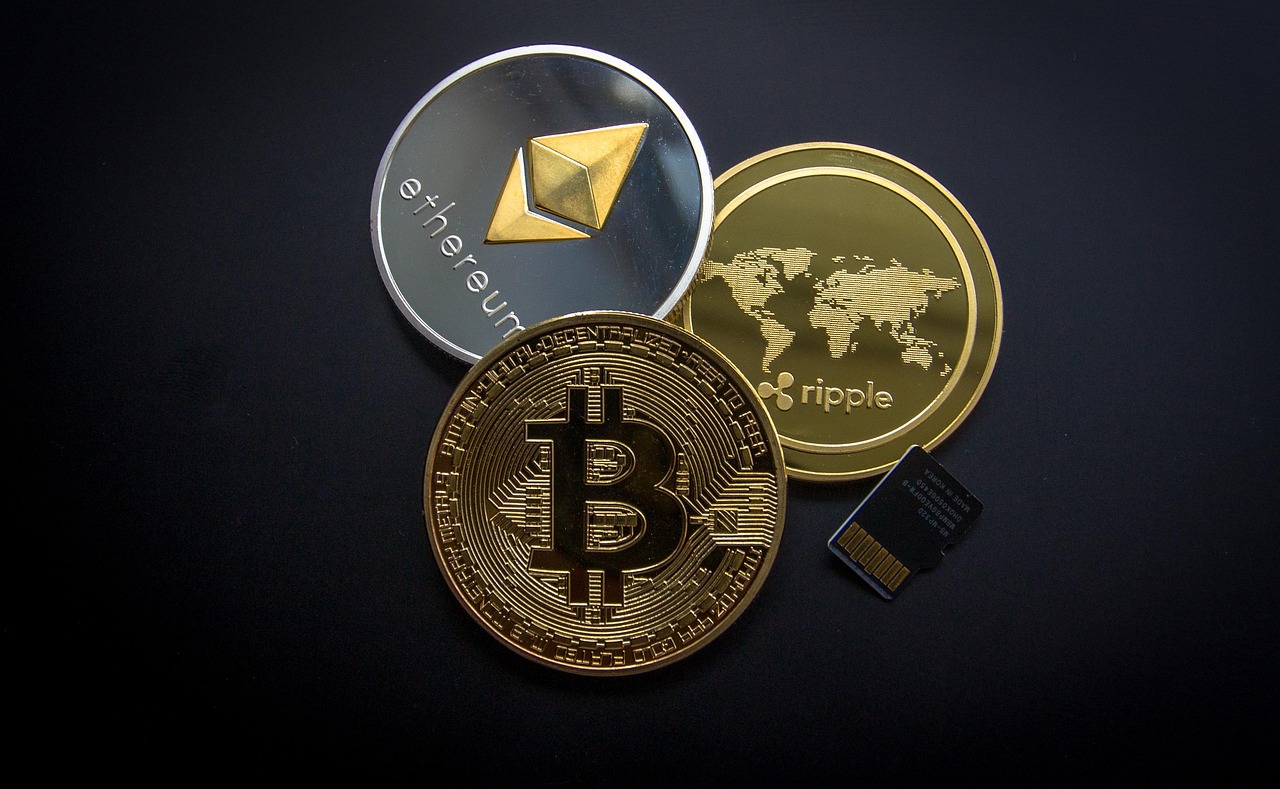
The cryptocurrency ecosystem recently witnessed a landmark event in digital asset security as Binance, the world’s largest cryptocurrency exchange, announced the successful replacement of $6.34 billion in assets lost during a massive security breach on October 29, 2026 blockonomi.com. This recovery effort, described as the largest reported hack in the history of the industry, saw the exchange utilize its internal reserves and insurance funds to ensure that all user balances are now backed on a strict one-to-one basis blockonomi.com. The incident, which has been attributed by the FBI and blockchain security firms to North Korean state-linked actors, highlights the extreme volatility and security risks inherent in centralized platforms, even as it demonstrates the unprecedented capital depth available to major industry players to mitigate such catastrophes blockonomi.com en.cryptonomist.ch.
The Anatomy of a $6.3 Billion Breach
The security incident unfolded with startling speed on October 29, 2026, when hackers managed to drain Binance wallets across 10 different blockchains blockonomi.com. According to reports from TRM Labs, the majority of the $6.34 billion was siphoned out of the exchange's infrastructure in approximately 20 minutes blockonomi.com. The attack has been linked to "TraderTraitor," a North Korean hacking collective that was previously associated with a $1.5 billion theft from the Bybit exchange in February 2025 blockonomi.com.
Initial investigations by Binance suggested the breach originated from a compromised laptop belonging to a DevOps engineer, though subsequent findings indicated multiple points of entry into the exchange's internal systems blockonomi.com. Following the drain, the attackers utilized a complex web of thousands of wallets and transactions to obfuscate the movement of funds blockonomi.com. In a notable display of modern laundering techniques, the hackers even created various memecoins to process approximately $430,000 of the stolen assets blockonomi.com. Despite the scale of the theft, Binance and US authorities were able to freeze or intercept nearly $3 billion in stolen assets shortly after the event blockonomi.com.
Funding the Recovery: SAFU and Corporate Treasury
To restore user confidence and maintain the integrity of its platform, Binance drew from three primary internal sources to cover the multi-billion dollar shortfall. The exchange utilized its Secure Asset Fund for Users (SAFU), its futures insurance fund, and its own corporate treasury blockonomi.com. By November 12, 2026, Binance confirmed that the replacement process was complete blockonomi.com.
- SAFU Depletion and Refilling: The SAFU fund, established as an emergency insurance pool, was heavily utilized. Binance has since committed to refilling this fund to a target of approximately $1 billion to protect against future contingencies blockonomi.com en.cryptonomist.ch.
- Market Operations: Over a two-week period, the exchange engaged in aggressive token acquisition, purchasing replacement assets through both open market orders and private over-the-counter (OTC) trades blockonomi.com.
- Insurance Fund Utilization: Binance clarified that the funds taken from the futures insurance pool were company-owned assets that exceeded the exchange's internal risk-framework requirements en.cryptonomist.ch.
The recovery effort reached a 90% coverage milestone by October 31, and climbed to 98% by November 4, 2026 en.cryptonomist.ch. The final 2% of assets took longer to source due to limited liquidity for certain tokens en.cryptonomist.ch.
Proof of Reserves and Current Asset Backing
In the wake of the hack, Binance released an unscheduled Proof of Reserves (PoR) snapshot covering 198 different tokens to demonstrate its solvency blockonomi.com. The data indicated that reserve ratios for major assets remained above 100% blockonomi.com. Specifically, user Bitcoin holdings rose by 0.35% between November 4 and November 12, reaching approximately 687,900 BTC blockonomi.com. Ether holdings also saw an increase of 1.04%, totaling 3.48 million ETH, while BNB holdings rose 1.03% to 42.95 million tokens blockonomi.com.
However, Tether (USDT) balances saw a notable decline, falling 3.68% to 24.3 billion tokens, representing a drop of roughly 928 million USDT blockonomi.com. This shift in stablecoin holdings coincided with a broader market trend; Glassnode reported a $14.2 billion contraction in global stablecoin supply in the 30 days leading up to November 9, the sharpest decline since the Terra collapse in 2022 cryptodaily.co.uk crypto.news.
Market Impact and Institutional Sentiment
The Binance hack occurred during a period of significant downward pressure for the broader cryptocurrency market. Bitcoin recently fell below the $70,000 threshold, trading near $69,300 as persistent inflation data and weakening institutional demand weighed on risk assets crypto.news. On November 11 alone, US spot Bitcoin ETFs recorded $299.9 million in net withdrawals, with BlackRock’s IBIT fund accounting for $269.73 million of that total crypto.news.
Despite the negative price action, some institutional players have used the volatility to increase their exposure. JPMorgan, for instance, raised its holdings in Strategy by 36% and added 1 million shares of BlackRock’s iShares Bitcoin Trust (IBIT) during the third quarter cryptonews.com. Similarly, Jane Street increased its stake in the Fidelity Bitcoin ETF by approximately 691%, bringing its position to $509.2 million by the end of September blockonomi.com.
The Role of Staking Amidst Volatility
While centralized exchanges like Binance grapple with security breaches, decentralized network participation remains robust. Ethereum staking has reached a record 36.3% of the total supply, with over 44.6 million ETH now locked in the network bitcoinist.com cryptodaily.co.uk. This trend persists even as Ethereum prices have struggled, recently slipping toward $1,950 crypto.news. The validator entry queue for Ethereum currently holds about 931,000 ETH, suggesting that long-term holders are prioritizing network security and yield over short-term liquidity cryptodaily.co.uk.
Broader Infrastructure and Security Trends
The Binance incident is not an isolated case of security concern in the current market. Unocoin, an Indian cryptocurrency exchange, recently suspended withdrawals following suspicious transfers involving its BitGo wallet infrastructure bitcoinist.com. The exchange suspects that a recovery feature intended for emergency access may have been misused to authorize transactions outside the custodian's regular platform bitcoinist.com.
These events are driving a push for more advanced privacy and security frameworks. The Web3 ecosystem is increasingly looking toward decentralized physical infrastructure networks (DePIN) and distributed proxy overlays to fragment trust and protect user metadata en.cryptonomist.ch. Furthermore, Ethereum developers are considering accelerating the network's "post-quantum" security timeline to 2027, citing rapid advances in AI that could expose existing cryptographic vulnerabilities cryptonews.com.
Conclusion
Binance’s ability to absorb a $6.34 billion loss and restore user balances within two weeks marks a significant moment in the maturation of cryptocurrency market infrastructure. While the hack underscores the persistent threat posed by sophisticated state-linked actors, the successful deployment of the SAFU fund and corporate reserves demonstrates a level of financial resilience previously unseen in the digital asset space blockonomi.com. However, the incident, coupled with broader market liquidations and declining stablecoin liquidity, serves as a stark reminder of the risks inherent in centralized custody. As the industry moves forward, the focus is likely to shift toward more robust proof-of-reserves mechanisms, decentralized security protocols, and the integration of quantum-resistant cryptography to safeguard the next generation of digital finance.
What We Don't Know
While Binance has confirmed the replacement of funds, the exact identity of the individuals who authorized the breach remains unconfirmed beyond general attributions to North Korean groups. It is also unclear how much of the $3.34 billion that was not frozen or intercepted will ever be recovered by authorities. Additionally, the long-term impact of such a massive drain on Binance's corporate treasury and its future ability to handle similar-scale events remains an open question for market analysts.