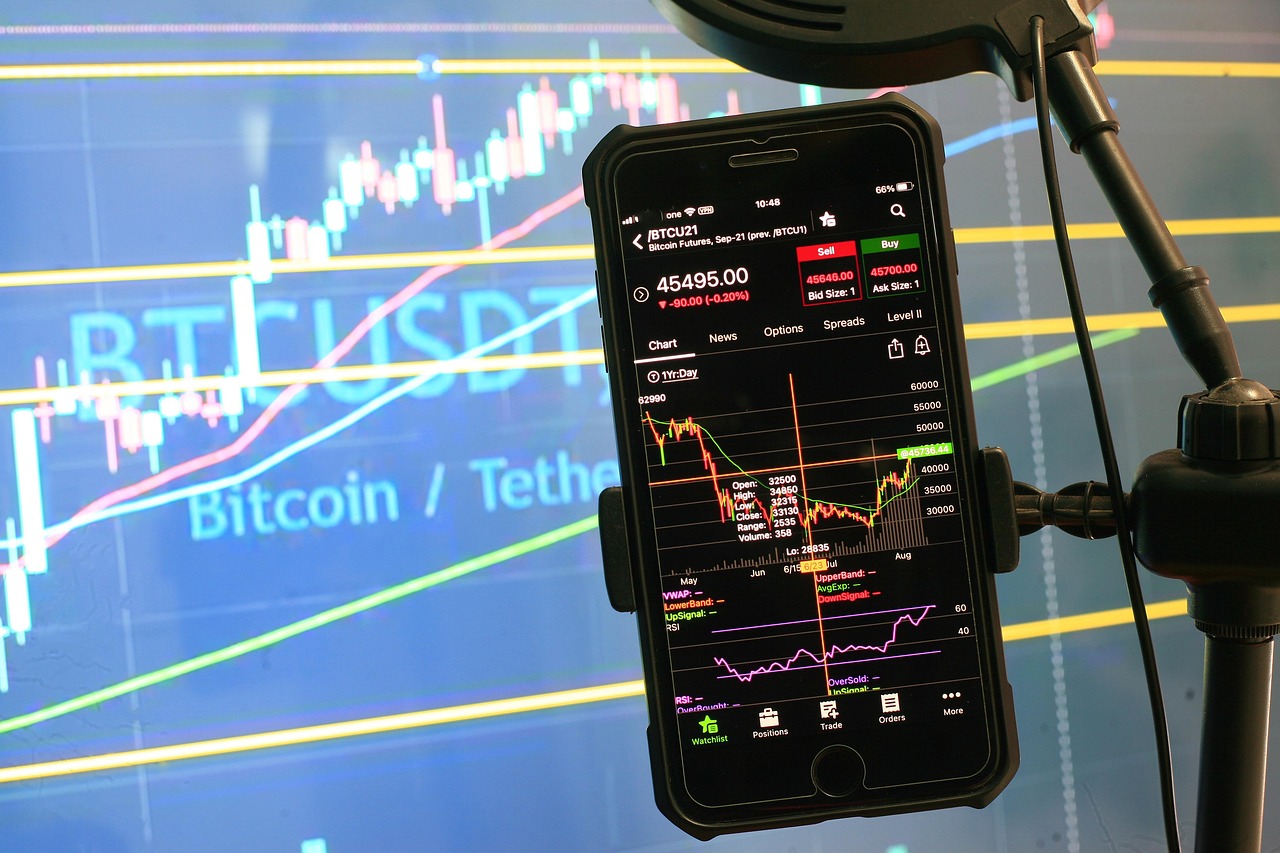
The digital asset market has recently exhibited a nuanced landscape, characterized by significant rallies in specific altcoins even as broader market conditions present varied signals. Tokens such as Jupiter (JUP), Optimism (OP), and Aptos (APT) have demonstrated notable strength over recent weeks, outpacing established cryptocurrencies like Bitcoin and Ether. This selective outperformance occurs amidst a backdrop of continuous innovation within decentralized finance (DeFi) protocols, critical upgrades to blockchain infrastructure, persistent security challenges, and an accelerating convergence with traditional financial systems. The observed market movements suggest a complex interplay of fundamental developments, technological advancements, and evolving investor sentiment driving capital flows within the crypto ecosystem.
\n\nAltcoin Performance and Underlying Market Dynamics
\nRecent market data indicates a period of significant appreciation for several altcoins, with Jupiter's JUP token emerging as a notable performer. JUP recorded a substantial 51% increase over a four-week period [6]. This rally occurred despite a weekly pullback of 5.6% and a reported decline in fees across Jupiter’s products, which fell to $16.82 million in the latest complete 28-day period [6]. The token's ability to outpace both Bitcoin and Ether during this timeframe highlights a potential decoupling of its price action from its immediate fee generation, suggesting other factors may be influencing investor interest [6].
\nOptimism (OP) also demonstrated robust performance, experiencing an 18% jump in a single day and extending its four-week gain to an impressive 66% [3]. Similar to JUP, OP's performance surpassed that of Bitcoin and Ether over matched daily and multiweek windows [3]. Furthermore, Starknet’s STRK token posted an even larger four-week rally than OP, indicating a broader trend of strong performance within certain Layer 2 solutions and newer protocols [3]. These gains suggest a growing investor appetite for projects focused on scalability and efficiency within the Ethereum ecosystem.
\nAptos (APT) mirrored JUP's four-week gain, rising 51% and also outperforming Bitcoin and Ether [7]. However, APT's weekly return was nearly flat, and DefiLlama's tracked stablecoin market capitalization on Aptos experienced a 17.5% decline over the same four-week period [7]. This divergence between token price appreciation and a contraction in stablecoin market cap on the Aptos network could suggest that the rally is driven by speculative interest or other ecosystem developments rather than a direct increase in on-chain liquidity or stablecoin utility within its DeFi landscape [7]. The collective performance of JUP, OP, and APT, particularly their ability to surpass Bitcoin and Ether, points to a market where specific narratives, technological advancements, or perceived growth potential in individual projects are attracting significant capital, creating pockets of strong bullish sentiment amidst broader market fluctuations [3] [6] [7].
\n\nDeFi Protocol Evolution and Liquidity Dynamics
\nThe decentralized finance (DeFi) sector continues to evolve rapidly, with protocols introducing new features, adjusting economic models, and navigating migration challenges. PancakeSwap, a prominent decentralized exchange, has proposed a significant restructuring of its fee distribution and token emissions. The discussion-stage plan suggests allocating an 88% share of liquidity provider (LP) fees to LPs and implementing a substantial 69% cut in CAKE emissions [1]. Under this proposal, the remaining v3 and Infinity fees would be directed to the treasury, while the v2's CAKE burn mechanism would remain operational [1]. Such a move could be interpreted as an effort to enhance value accrual for liquidity providers, potentially attracting more capital to the protocol, while simultaneously addressing inflationary pressures on the CAKE token through reduced emissions and continued burning mechanisms [1].
\nFurther expanding the DeFi landscape, Base has introduced new Earn & Borrow functionalities, integrating with established protocols Aave and Morpho [10]. This initiative enables applications within the Base ecosystem to embed variable-rate stablecoin lending and crypto-backed loan services [10]. It is important to note that borrowers utilizing these services remain subject to the underlying protocols’ liquidation rules, emphasizing the inherent risks associated with leveraged positions in DeFi [10]. This integration signifies Base's strategic move to deepen its DeFi offerings and leverage the liquidity and user bases of leading lending protocols, thereby expanding its utility and competitive positioning in the Layer 2 space.
\nActivity on Morpho, specifically concerning cirBTC borrowing, has seen a notable increase, topping $190 million [11]. This surge in borrowing has coincided with a tightening of Arc liquidity, where approximately 97.4% of the supplied USDC is currently borrowed in the main market [11]. This represents a significant increase from just 8.1% on September 21, indicating a substantial rise in demand for borrowing USDC against cirBTC collateral [11]. Such high utilization rates can reflect strong demand for capital, potentially driven by yield farming opportunities, arbitrage strategies, or other DeFi activities, but also signal reduced liquidity for new lenders and potentially higher borrowing costs.
\nIn parallel, several protocols are managing critical migration and bridge-out deadlines, underscoring the dynamic and sometimes complex nature of multi-chain DeFi. Mezo has set an October 13 deadline for users to bridge out swBTC and USDe, with SolvBTC and xSolvBTC withdrawals slated to close on October 29 [15]. Deposits for all four tokens have already been suspended [15]. Similarly, Zest has established an October 23 deadline for users to exit aeUSDC on Stacks Market V1 [16]. This deadline is prompted by Allbridge's plan to end its aeUSDC bridge to Stacks on November 3, and Zest's one-transaction migration to V2 explicitly excludes aeUSDC [16]. These deadlines necessitate timely action from users to avoid potential asset lock-ups or complications, highlighting the ongoing need for users to stay informed about protocol changes and migration plans.
\n\nAdvancements in Blockchain Infrastructure and Scalability
\nThe foundational layers of the blockchain ecosystem are continually undergoing significant upgrades and innovations aimed at enhancing performance, scalability, and functionality. Solana, a high-throughput blockchain, is preparing for its Alpenglow mainnet upgrade, with Anza setting October 21 as the target date [17]. A primary objective of this upgrade is to achieve 150-millisecond finality, a crucial metric for transaction speed and network responsiveness [17]. The implementation of Alpenglow will require validators and block-data providers to undertake necessary software changes before the transition [17]. Achieving faster finality could significantly improve the user experience for decentralized applications (dApps) on Solana, particularly those requiring rapid transaction confirmation, and further solidify its position as a competitive platform for high-frequency operations.
\nStarkWare has introduced 'Shadow Accounts' on Starknet, a development aimed at enhancing user interaction within decentralized applications [18]. These Shadow Accounts enable applications to maintain DeFi positions under distinct, persistent identities [18]. While offering a layer of identity management within dApps, it is important to note that balances, amounts, and contract calls associated with these accounts will remain publicly visible [18]. This innovation seeks to provide a more structured and potentially more private way for users to manage their on-chain activities without sacrificing the transparency inherent to public blockchains, offering a balance between user experience and core blockchain principles.
\nBeyond public networks, blockchain technology is also making inroads into traditional financial infrastructure, particularly in the realm of asset tokenization. Avalanche is actively highlighting its connections with the Korea Securities Depository (KSD) in anticipation of South Korea’s planned tokenization rollout in 2027 [12]. The KSD’s platform is being developed to integrate with multiple blockchain technologies, including Avalanche, Hyperledger Besu, and Hyperledger Fabric [12]. Samsung SDS is targeting the completion of this platform by February 2027 [12]. This collaboration underscores the increasing interest from national financial institutions in leveraging blockchain for capital markets infrastructure, with Avalanche positioned as a key player in facilitating the tokenization of traditional assets and bridging the gap between conventional finance and distributed ledger technology.
\n\nNavigating Security Risks and Regulatory Scrutiny
\nThe digital asset space continues to grapple with significant security challenges and increasing regulatory attention, impacting both hardware and software aspects of the ecosystem. Ledger, a prominent hardware-wallet manufacturer, has recently requested its resellers to suspend sales in seven Asian markets [2]. The company stated that confirmed incidents remain confined to Southeast Asia, and there is no indication that its core systems or direct sales channels were compromised [2]. In a related development, MediaMarktSaturn, a major retailer, has withdrawn Ledger products across all its operating countries [9]. Ledger has clarified that no fund losses were reported in the German case and has directed existing buyers to its support channels [9]. These incidents highlight the critical importance of supply chain security and the potential for hardware tampering, prompting retailers and manufacturers to take proactive measures to protect consumers and maintain trust in digital asset storage solutions.
\nLaw enforcement agencies globally are intensifying their efforts to combat crypto-related fraud and illicit activities. The FBI has reported a staggering $17 billion tally from scam centers, underscoring the vast scale of financial crime leveraging digital assets [4]. A coordinated enforcement week, which included raids in West Africa, resulted in 28 arrests [4]. Furthermore, these operations led to the removal of over 3.7 million online accounts, pages, and groups associated with fraudulent activities, and identified more than $11 million in potentially freezable funds [4]. These actions demonstrate a growing international commitment to disrupting sophisticated scam networks and recovering illicitly obtained assets, signaling a more robust and coordinated approach to digital asset crime.
\nThe legal landscape surrounding digital assets is also evolving, with recent court rulings setting important precedents for asset ownership and jurisdictional claims. A UK court has ruled that Chinese law will govern victims’ claims to a substantial holding of 61,000 Bitcoin [13]. This contested holding is valued at approximately $5.1 billion [13]. The victims in this case lost their bid to rely on English law to establish ownership, indicating the complexities and challenges involved in cross-border crypto asset recovery and the determination of applicable legal frameworks [13]. Such rulings underscore the need for clarity in international legal cooperation and the development of consistent jurisdictional principles for digital assets, especially in cases involving large-scale fraud or asset disputes spanning multiple countries.
\n\nConvergence of Traditional and Decentralized Finance
\nThe boundaries between traditional finance (TradFi) and decentralized finance (DeFi) continue to blur, as established financial platforms integrate crypto-native features and new markets emerge to bridge the two worlds. Robinhood, a popular brokerage platform, has opened its social trading feed to eligible US customers [8]. This new feature allows users to share charts and portfolio allocations, fostering a community-driven approach to investment [8]. A rollout on the Legend desktop platform is also planned for the coming weeks [8]. This move by Robinhood reflects a broader trend of financial platforms incorporating social elements to enhance user engagement and provide more interactive investment experiences, potentially attracting a new generation of investors accustomed to social media interactions.
\nEvent-based prediction markets are also gaining traction, as exemplified by Kalshi, which has reported trading days reaching $3.9 billion [5]. An analysis by Bitcoin.com found that parlays, or combined bets, were a significant driver of this volume, supplying approximately 70% of the weekend notional volume [5]. However, it is important to note that this measure represents notional volume and does not directly equate to cash spent by buyers or a count of new users [5]. The popularity of parlays on Kalshi suggests a growing interest in speculative markets that allow users to bet on real-world events, indicating an expansion of financial instruments beyond traditional asset classes and into more novel forms of risk-taking and prediction.
\nFurther illustrating the convergence, MNX has launched futures contracts tied to AI Lab IPOs and revenue [14]. These innovative contracts offer leveraged exposure to the performance of artificial intelligence laboratories, rather than direct shares [14]. Settlement of these futures is linked to specific events such as IPO filings, private-market valuations, or revenue estimates [14]. This development signifies the emergence of new financial products that enable investors to gain exposure to high-growth, nascent technology sectors without the complexities of direct equity investment. It highlights a trend where financial innovation is creating synthetic exposure to emerging markets, allowing for diversified investment strategies and risk management in areas traditionally less accessible to a broad range of investors.
\n\nThe digital asset market is currently navigating a period of dynamic evolution, marked by the selective outperformance of certain altcoins like JUP, OP, and APT, which have demonstrated significant gains against broader market benchmarks [3] [6] [7]. This resilience is underpinned by continuous innovation within the DeFi sector, including PancakeSwap's proposed fee restructuring and Base's expansion into lending with Aave and Morpho [1] [10]. Concurrently, blockchain infrastructure is advancing with critical upgrades such as Solana's Alpenglow and Starknet's Shadow Accounts, alongside strategic integrations like Avalanche's role in Korea's tokenization plans [12] [17] [18]. However, the ecosystem continues to confront persistent security challenges, as evidenced by Ledger's hardware wallet issues and the FBI's ongoing efforts against crypto-related scams [2] [4] [9]. The increasing convergence with traditional finance, seen in Robinhood's social trading features and MNX's AI Lab futures, further underscores the maturing yet complex nature of the digital asset landscape, presenting both opportunities for growth and evolving risks for participants [8] [14].
\n\nWhat We Don't Know
\nThe provided information does not fully clarify the specific factors contributing to the decline in Jupiter's fees despite the JUP token's significant price surge [6]. Furthermore, the precise nature of the "tampering reports" that prompted MediaMarktSaturn to withdraw Ledger products across its stores remains undetailed [9]. The analytical methodology or specific metrics employed by Bitcoin.com in its assessment of Kalshi's trading volume, particularly regarding the contribution of parlays, are not explicitly outlined [5]. Additionally, the long-term impact of PancakeSwap's proposed fee share and emissions cut on CAKE's tokenomics and liquidity provider behavior is not yet confirmed [1].
\n", "title": "Altcoin Resilience: JUP, OP, APT Surge Amidst Evolving Crypto Landscape", "subtitle": "Market analysis reveals selective altcoin strength, DeFi innovations, and security challenges shaping the digital asset ecosystem.", "seo_meta": { "description": "JUP, OP, and APT tokens show significant gains as DeFi protocols evolve, blockchain infrastructure upgrades, and regulatory actions address security concerns.", "keywords": [ "altcoin performance", "DeFi innovation", "blockchain security", "crypto regulation", "market analysis" ] }, "image_search_terms": [ "crypto chart", "blockchain network", "digital wallet" ] }