The landscape of United States digital asset policy underwent a significant shift this week as the House Financial Services Committee advanced legislation to codify a Strategic Bitcoin Reserve, even as broader regulatory efforts stalled in the Senate. On September 16, 2026, the committee approved H.R. 8957, known as the American Reserve Modernization Act, in a 28-21 vote cryptodaily.co.uk. This legislative progress coincides with a period of intense macroeconomic and regulatory friction, characterized by the Federal Reserve's return to a hawkish interest rate cycle and the procedural collapse of the Digital Asset Market CLARITY Act in the Senate investmacro.com coinidol.com. As institutional demand signals show signs of cooling—evidenced by a sharp decline in corporate treasury accumulation—the emergence of a federal mandate for Bitcoin custody represents a potential structural pivot for the asset's role within the national financial architecture en.cryptonomist.ch.
The American Reserve Modernization Act: A 20-Year Mandate
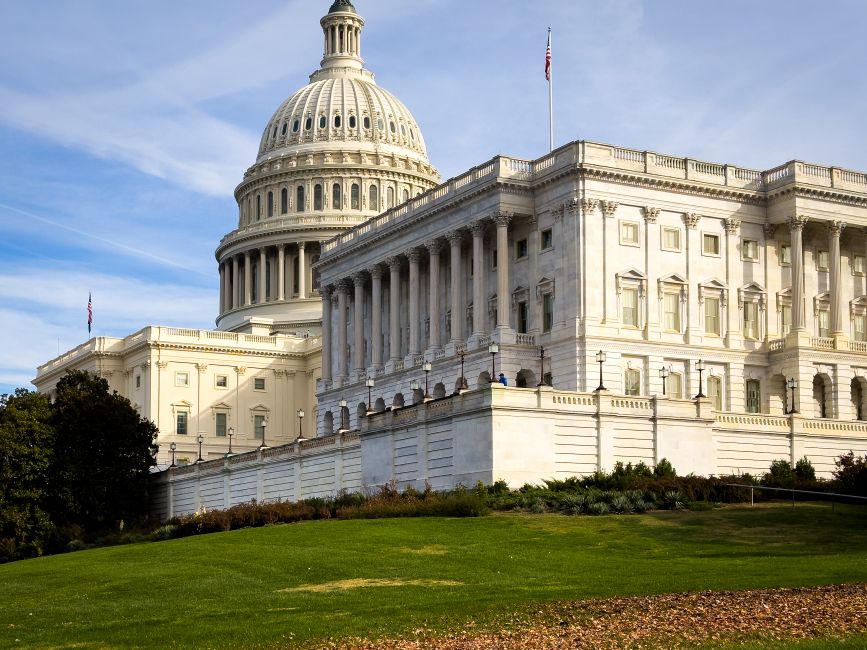
The advancement of H.R. 8957 marks the first time a federal Bitcoin reserve has moved into committee-approved status cryptodaily.co.uk. The bill proposes a rigorous framework for government-held digital assets, establishing a statutory distinction between Bitcoin and other cryptocurrencies. Under the current text, the U.S. Treasury would be directed to establish two separate entities within 180 days of the bill's enactment: a Strategic Bitcoin Reserve and a Digital Asset Stockpile cryptodaily.co.uk.
A central pillar of the legislation is the implementation of a 20-year minimum holding period for any Bitcoin deposited into the reserve cryptodaily.co.uk. During this two-decade window, the federal government would be strictly prohibited from selling, swapping, auctioning, or encumbering the assets cryptodaily.co.uk. This "lock-up" provision is designed to treat Bitcoin as a long-term sovereign reserve asset, similar to gold, rather than a liquid budgetary tool. While the committee's approval is a necessary step, the operational requirements of the reserve remain contingent on the bill passing both chambers of Congress and receiving presidential signature cryptodaily.co.uk.
Senate Gridlock: The Collapse of the CLARITY Act
While the House moved forward with reserve legislation, the Senate faced a significant setback in its attempt to establish a comprehensive regulatory framework for the broader crypto market. The Digital Asset Market CLARITY Act failed to secure the 60 votes required for cloture on September 15, 2026, falling in a 49-50 vote themerkle.com thedefiant.io. The failure of the bill, which had been the subject of months of bipartisan negotiation, triggered an immediate market reaction, with Bitcoin dropping from nearly $80,000 to approximately $75,600 shortly after the vote cryptonews.com.
The legislative deadlock was primarily driven by disputes over government ethics and potential conflicts of interest involving the executive branch. Senate Democrats expressed concerns regarding the president's personal involvement in digital asset ventures and argued that the bill's ethics provisions—which would have left oversight to the U.S. Attorney General—were inadequate cryptonews.com coinidol.com. Furthermore, the banking industry lobbied against provisions that would have allowed digital asset service providers to pay rewards to stablecoin holders, fearing a drain on traditional deposits cryptonews.com.
Regulatory Response to Legislative Failure
In the wake of the Senate's inaction, leaders of the SEC and CFTC have signaled their intent to proceed with rulemaking using existing statutory authorities. SEC Chairman Paul Atkins emphasized that the agency would act decisively to provide certainty for investors, regardless of the legislative outcome thedefiant.io. On September 17, the SEC issued a temporary "Innovation Exemption" to allow eligible tokenized crypto stocks to trade more widely in the U.S., characterizing it as a bridge toward durable rulemaking cryptonews.com. Similarly, CFTC Chairman Selig stated that the agency is "locked in and ready to ship" rules for crypto market structures to ensure the U.S. remains a global hub for digital finance thedefiant.io.
Macroeconomic Headwinds: The Fed's Hawkish Pivot
The regulatory uncertainty in Washington is compounded by a shift in U.S. monetary policy. On September 16, 2026, the Federal Reserve unanimously raised the federal funds rate by 25 basis points to a range of 3.75% to 4.00% thedefiant.io currencythoughts.com. This marked the first rate increase since July 2023 and signaled the end of a stabilization period as the Fed seeks to combat core inflation that remains significantly above its 2% target investmacro.com investingcube.com.
The Fed's updated "Dot Plot" projections revealed that 16 out of 18 FOMC members anticipate at least one more rate hike before the end of 2026, with some officials not ruling out two additional steps investmacro.com. This hawkish stance has pushed the 10-year U.S. Treasury yield to 5.04%, its highest level since 2007 investmacro.com currencythoughts.com. For Bitcoin, which often trades as a non-yielding risk asset, the rise in real yields increases the opportunity cost for investors, contributing to the recent price pressure investingcube.com.
Institutional Demand: A Sharp Decline in Corporate Buying
Market data suggests that the aggressive corporate accumulation seen in 2025 has slowed dramatically. Publicly traded companies added approximately 5,900 BTC to their treasuries in the third quarter of 2026, worth roughly $451 million at a spot price of $76,400 en.cryptonomist.ch. This represents a staggering decline from the same period a year earlier, when corporate treasuries acquired over 100,000 BTC, including 89,000 coins in July 2025 alone en.cryptonomist.ch.
The slowdown is largely attributed to the fact that many corporate buyers are currently "underwater." According to Glassnode, the average entry price for corporate treasuries sits near $80,500, approximately 6% above the current spot price en.cryptonomist.ch. Strategy (MSTR) remains the dominant player in the sector, accounting for the bulk of recent activity by adding 4,603 BTC at an average price of $80,318 en.cryptonomist.ch. Despite the pullback in new buying, public companies still control about 1.22 million BTC, representing more than 4% of the total 21 million supply cap en.cryptonomist.ch.
ETF Flows and Hedging Sentiment
The ETF market reflects a similar cooling of sentiment. On September 15, 2026, U.S. spot Bitcoin ETFs recorded net outflows of $450.4 million, the largest daily withdrawal since June cryptodaily.co.uk. Fidelity’s FBTC and BlackRock’s IBIT led the redemptions, losing $214.8 million and $161.7 million, respectively cryptodaily.co.uk.
However, JPMorgan analysts observe that Bitcoin may be more defensively positioned than gold in the current environment. Short interest in BlackRock’s IBIT is near its yearly high, and the put-to-call open interest ratio remains elevated, signaling heavy downside hedging en.cryptonomist.ch. Analysts suggest that if this hedging demand fades, the resulting unwind of defensive bets could provide more support for Bitcoin than gold receives from fresh buying alone en.cryptonomist.ch.
Technical Outlook: Key Support and Resistance Levels
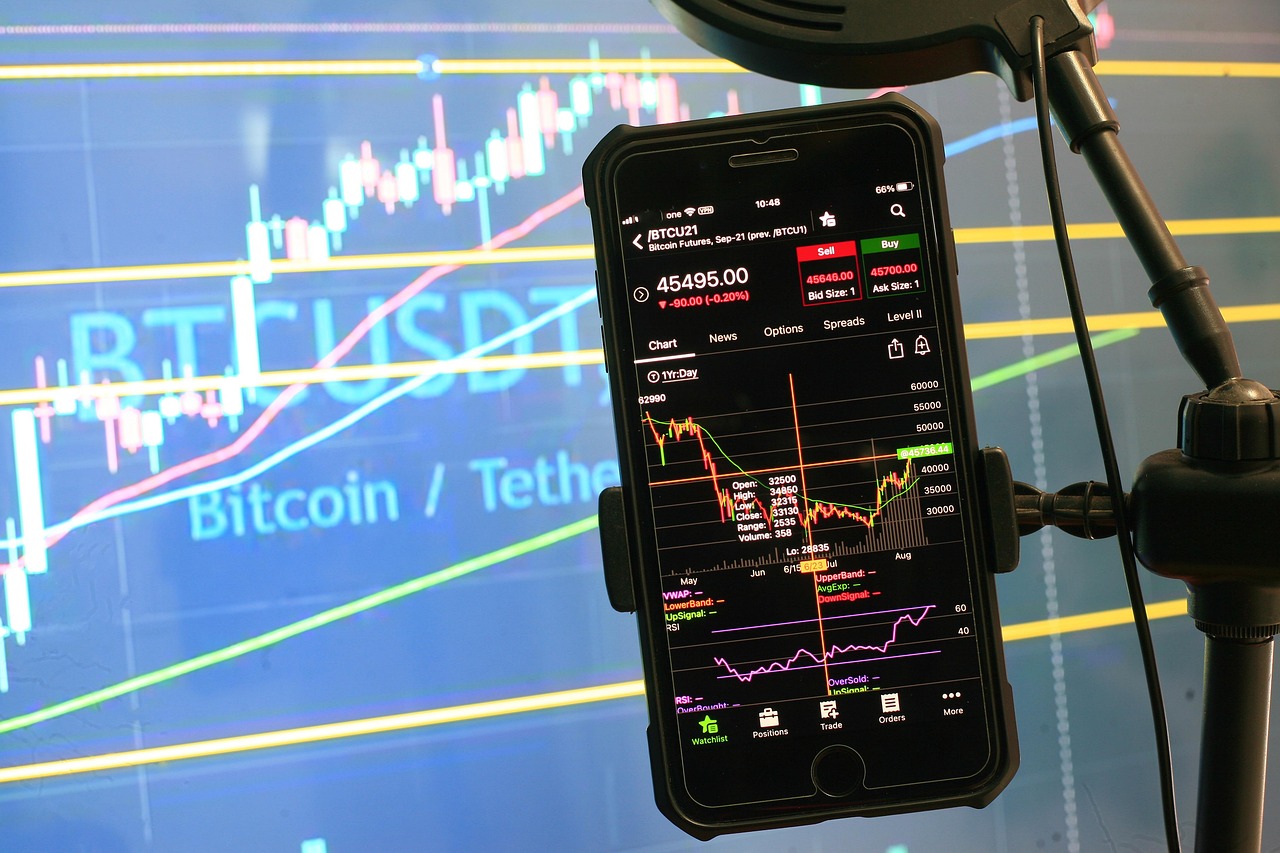
Bitcoin is currently trading in a consolidation pattern near the $76,000 level cryptonews.com. Technical analysis identifies a critical support cluster between $75,000 and $75,400; a decisive close below this zone could open the door to a move toward $72,500 or even the $66,000–$69,000 region where long-term moving averages reside cryptonews.com. Conversely, a sustained reclaim of the 200-day average near $74,705 is viewed as a necessary test to break the current downtrend cryptonews.com.
On the upside, resistance is concentrated between $78,000 and $80,000, with a Fibonacci ceiling identified near $82,793 cryptonews.com. Despite the recent volatility, some AI-based projections remain bullish for the long term. Meta AI predicts that Bitcoin could reach a peak of $210,000 to $230,000 by early 2027, citing institutional demand and the extension of the traditional four-year halving cycle cryptonews.com. These targets align with Fibonacci extensions off the 2022 bear-market lows, which project a target zone of $195,000 to $225,000 cryptonews.com.
Conclusion
The advancement of the American Reserve Modernization Act represents a significant milestone in the institutionalization of Bitcoin, proposing a 20-year federal commitment to the asset. However, this progress is tempered by the immediate challenges of a hawkish Federal Reserve and the collapse of the CLARITY Act in the Senate. With corporate demand slowing and ETF outflows reaching multi-month highs, the market is currently navigating a period of deleveraging and regulatory re-evaluation. While long-term technical projections remain optimistic, the near-term trajectory of Bitcoin will likely be determined by the resolution of ethics disputes in Washington and the persistence of inflationary pressures on global monetary policy.
What We Don't Know
It remains unclear whether the CLARITY Act can be revived in the Senate after the November midterm elections or if the ethics disputes regarding presidential holdings will remain an insurmountable barrier. Additionally, the impact of the SEC's temporary "Innovation Exemption" on the broader adoption of tokenized stocks is yet to be seen. Finally, while the House panel has advanced the Strategic Bitcoin Reserve bill, its ultimate passage through a divided Congress remains a significant open question.