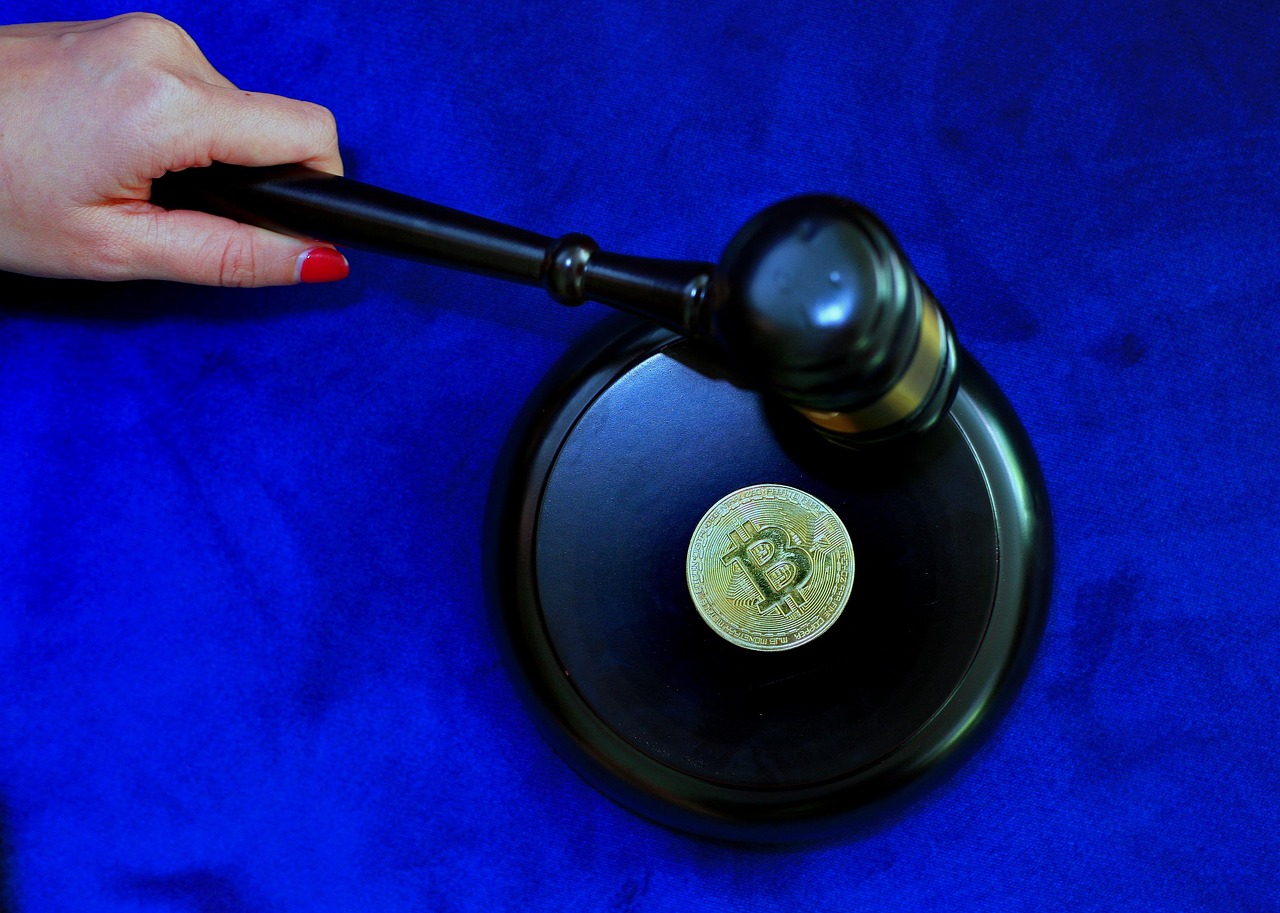
The landscape of U.S. digital asset regulation has entered a period of profound paralysis as both legislative and administrative pathways to clarity stalled simultaneously in mid-August 2026. While the Senate adjourned for a five-week recess without advancing the Digital Asset Market Clarity Act (CLARITY Act), the Securities and Exchange Commission (SEC) abruptly canceled a high-stakes open meeting intended to debut the first crypto-specific rulemaking in the agency's history decrypt.co crypto.news. This double-stall has left token projects, institutional issuers, and infrastructure providers in a regulatory vacuum, forcing a reevaluation of the timeline for tokenization and capital formation in the United States. The sudden withdrawal of the SEC’s "Regulation Crypto" vote, cited as an "unforeseen scheduling issue," has fueled speculation that the agency is recalibrating its strategy to avoid disrupting fragile congressional negotiations or to address internal concerns regarding its statutory authority crypto.news news.bitcoin.com.
The SEC’s Abrupt Retreat: Analyzing the Canceled August 14 Meeting
On August 13, 2026, the SEC Office of the Secretary issued a formal Sunshine Act notice confirming the cancellation of an open meeting scheduled for the following morning cryptodaily.co.uk. The meeting was set to feature a single, critical agenda item: "Regulation Crypto Assets," a proposal from the Division of Corporation Finance intended to create a tailored offering regime for investment contracts involving digital assets cryptodaily.co.uk. The cancellation was unexpected, as the meeting had been announced just days prior on August 10; analysts suggest this timing indicated an attempt by the agency to finalize rules while Congress was in recess decrypt.co.
The proposed framework, often referred to as "Regulation Crypto," represented a significant shift from the agency’s previous enforcement-led approach. Under the leadership of Chair Paul Atkins, the SEC had been preparing to offer crypto startups a restricted regulatory path, potentially allowing them to raise capital without fulfilling every conventional securities registration requirement ambcrypto.com. Specific components previously discussed by Atkins included a four-year "regulatory runway" for qualifying developers and a fundraising limit of approximately $5 million for early-stage projects crypto.news. A broader fundraising exemption with an annual cap of $75 million was also under consideration, which would have required disclosures regarding project status and financial condition crypto.news.
The cancellation of this vote removes the immediate prospect of a bespoke offering pathway. Market participants, including issuers weighing primary offerings and intermediaries planning distribution, have lost a critical read on how the Commission intends to frame eligibility and resale conditions for crypto-linked investment contracts cryptodaily.co.uk. While an SEC spokesperson stated the agency remains committed to the President’s agenda to bring certainty to the space, no replacement date for the meeting has been set news.bitcoin.com ambcrypto.com.
The Tokenization "Innovation Exemption" and the CLARITY Act Conflict
Parallel to the fundraising rules, the SEC has also delayed its long-awaited "innovation exemption" for tokenized securities news.bitcoin.com. This exemption was designed as a temporary tool to allow firms to test blockchain-based trading of U.S. equities without meeting the full slate of standard exchange and broker-dealer requirements news.bitcoin.com coingape.com. However, the initiative has run into significant political and legal headwinds.
Reports suggest that the White House and major Wall Street participants raised concerns about the legal foundation of the proposal and its potential impact on existing securities markets thecurrencyanalytics.com crypto.news. Specifically, the Securities Industry and Financial Markets Association (SIFMA) questioned how blockchain-based venues would comply with equity-market rules, such as the duty of best execution crypto.news. Furthermore, there is a strategic concern that a unilateral move by the SEC could disrupt negotiations over Section 10505 of the CLARITY Act, which specifically addresses the regulatory treatment of tokenized securities news.bitcoin.com coingape.com.
The CLARITY Act, which passed the House in July 2025 and cleared a Senate Banking Committee markup in May 2026, aims to split oversight between the SEC and the Commodity Futures Trading Commission (CFTC) news.bitcoin.com. However, the bill’s progress has slowed due to unresolved disputes over ethics controls for government officials, stablecoin-related business models, and concerns from community banks blockonomi.com. Galaxy Research recently downgraded the odds of the CLARITY Act becoming law in 2026 to just 10% blockonomi.com.
Market Impact: Tokenization Stocks and DeFi Sentiment
The dual setbacks in Washington triggered a sharp selloff in stocks linked to the tokenization sector on Friday, August 14. Bullish (BLSH) led the decline, falling 11.2% to $24.42, erasing gains made after its second-quarter earnings report crypto.news. Bullish has been a major proponent of tokenized infrastructure, evidenced by its planned acquisition of transfer agent Equiniti thecurrencyanalytics.com crypto.news.
Other notable declines included:
- Figure Technology Solutions (FIGR): Dropped 9% from its Thursday high before recovering slightly to trade 1.2% lower at $31.51 thecurrencyanalytics.com crypto.news.
- Circle Internet Group (CRCL): Slid 4.8% to $71.79. Circle manages the USYC tokenized Treasury product, which holds approximately $3 billion in assets thecurrencyanalytics.com crypto.news.
- Coinbase (COIN): Fell 3% to $149.30. The exchange has been developing tokenized equities and recently established an international hub in Abu Dhabi crypto.news.
- Securitize (SECZ): Declined 1% to $5.65, following a 27% plunge the previous day after missing earnings estimates crypto.news.
The impact extended to decentralized finance (DeFi) assets as well. Uniswap’s UNI token dropped 7% over 24 hours, becoming the weakest performer in the CoinDesk 20 Index thecurrencyanalytics.com. Analysts observe that while the broader market remained relatively flat, the selloff was highly concentrated among firms betting on a near-term regulatory green light for tokenization thecurrencyanalytics.com.
The Institutional Perspective: Citigroup and the Banking Lobby
Despite the legislative gridlock, major financial institutions continue to advocate for a formal framework. Citigroup CEO Jane Fraser has publicly backed the passage of the CLARITY Act, emphasizing the need for regulatory structure for stablecoins to ensure financial stability thecurrencyanalytics.com. However, Fraser also warned that the current draft requires refinements, particularly regarding stablecoin reward rules that could disadvantage traditional banks crypto.news.
The banking industry's involvement is a double-edged sword for the bill's prospects. While support from figures like Fraser lends the CLARITY Act mainstream credibility, the insistence on protecting traditional banking models adds layers of complexity to the negotiations thecurrencyanalytics.com blockonomi.com. For banks, the stakes involve the ability to scale services like custody, payments, and settlement infrastructure without the risk of the regulatory ground shifting thecurrencyanalytics.com.
Data-Driven Urgency: The State of Token Launches
The push for a structured disclosure regime is supported by data suggesting that the current unregulated or ad-hoc environment is yielding poor outcomes for investors. Memento Research tracked 118 Token Generation Events (TGEs) in 2025 and found that 84.7% were trading below their launch valuation by December 20, 2025 cryptodaily.co.uk. The median fully diluted valuation (FDV) for these projects declined by approximately 71% cryptodaily.co.uk.
These figures strengthen the case for the SEC’s proposed "Rule 195," which would require disclosures and anchor a three-year path to "Token Maturity" cryptodaily.co.uk. The goal of such a safe harbor would be to shift the focus from speculative distribution mechanics to demonstrable network functionality cryptodaily.co.uk. However, without the August 14 vote, the implementation of these guardrails remains indefinitely delayed.
Corporate Roadblocks: RedotPay and the Binance Litigation
The regulatory uncertainty is compounded by individual corporate struggles within the crypto sector. RedotPay, a major crypto credit card provider with over 8 million users, has postponed its planned $1 billion U.S. IPO to 2027 blockonomi.com. The company's public debut is currently in limbo following legal challenges ambcrypto.com. The company, which had targeted a $4 billion valuation, cited both regulatory hurdles and a massive $473 million lawsuit from Binance affiliates blockonomi.com ambcrypto.com.
Binance alleges that RedotPay’s founders used confidential information to poach 470,000 users to their competing platform blockonomi.com ambcrypto.com. While RedotPay has secured a U.S. money transmitter license ambcrypto.com, the ongoing litigation and the lack of a clear federal framework for crypto-linked public offerings have forced a strategic recalibration blockonomi.com. This case highlights the difficulty of navigating the U.S. capital markets for crypto-native firms in the absence of clear rules.
Conclusion: A September Showdown
The simultaneous stalling of the SEC’s rulemaking and the Senate’s legislative progress has created a bottleneck that is unlikely to clear before mid-September. The Senate is scheduled to hold a procedural cloture vote on the CLARITY Act on September 15, 2026, shortly after returning from recess news.bitcoin.com coingape.com. Analysts suggest the SEC may be deliberately holding its rulemaking calendar open until this vote provides a clearer signal on the bill’s prospects news.bitcoin.com.
In the interim, the industry remains in a holding pattern. While traditional exchanges like the NYSE and Nasdaq continue to build on-chain settlement infrastructure, and firms like Wells Fargo explore tokenized deposits, the legal baseline for these innovations remains unpoured coingape.com. The coming weeks will determine whether the U.S. can establish a durable regulatory floor or if the current state of "regulation by delay" will persist through the 2026 midterm elections.
What We Don't Know
The specific nature of the "unforeseen scheduling issue" that led to the SEC's meeting cancellation remains undisclosed, leaving it unclear if the delay was due to administrative logistics or substantive policy disagreements decrypt.co. It is also unknown whether the SEC will attempt to reschedule the "Regulation Crypto" vote before the Senate's September 15 cloture vote or if the agency will wait for a legislative signal news.bitcoin.com. Finally, the sources do not confirm whether the White House's concerns regarding the tokenization exemption are permanent roadblocks or negotiable points that could be resolved through further inter-agency coordination crypto.news.