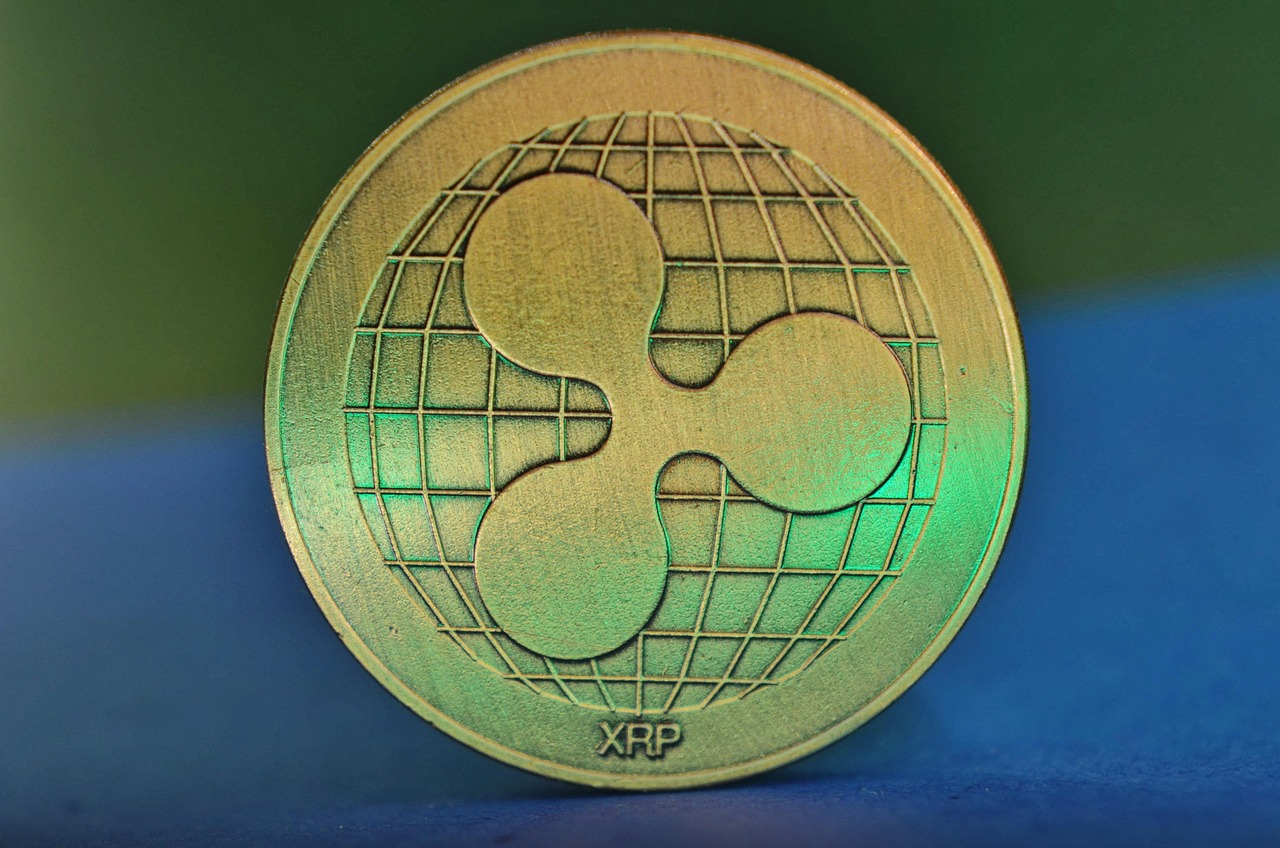
The digital asset market is currently navigating a complex intersection of regulatory advocacy and institutional capital shifts, as ripple sec engagement reaches a new milestone. Ripple Labs recently filed a comprehensive 20-page comment letter supporting the SEC’s proposed Regulation Crypto Assets framework, while simultaneously advocating for critical revisions to ensure the rules are workable for the broader industry [44] [52]. This regulatory push coincides with a period of cooling institutional demand, evidenced by recent etf outflows that have ended a multi-month streak of positive entries for XRP-focused products [44]. Despite these headwinds, the ecosystem continues to expand its public market footprint through the Nasdaq debut of Evernorth, a dedicated XRP treasury company [44] [60].
Regulatory Clarity and the Ripple Case
The ongoing dialogue surrounding the ripple case has entered a new phase as the company seeks to influence federal rulemaking directly. On October 20, 2026, Ripple submitted its formal response to the SEC’s proposed Regulation Crypto Assets, expressing support for the initiative while requesting specific exemptions and a conditional safe harbor [44] [83]. Ripple’s legal team, led by Chief Legal Officer Stuart Alderoty, emphasized that years of enforcement-based regulation have pushed innovation outside the United States, necessitating a more holistic approach to digital asset classifications [44].
A central pillar of the ripple labs news this week is the company's insistence on a clear distinction between an investment contract and the underlying digital asset [44]. Ripple argues that while a fundraising event might constitute a securities offering, the token itself should not be classified as a security in every context, particularly in secondary market transactions [44]. This distinction is vital for the sec v ripple narrative, as it aims to provide a predictable compliance framework for exchanges and financial institutions that handle XRP [44]. Other industry groups, including the Blockchain Association, have joined this advocacy effort, asking the SEC to double the exemption cap for crypto startups to $10 million to foster domestic growth [52].
Institutional Sentiment and ETF Outflows
While regulatory discussions progress, the immediate market sentiment has been tempered by a reversal in institutional fund flows. After a 13-week streak of positive entries, U.S. spot XRP ETFs recorded a net loss of approximately $1.84 million during the week ended October 16, 2026 [44]. Although cumulative net inflows remain substantial at $1.81 billion as of October 20, the recent etf outflows suggest a period of consolidation or caution among large-scale investors [44]. On October 20 specifically, these funds reported zero net flows, indicating a pause in the aggressive accumulation seen throughout the previous quarter [44].
Parallel to these fund movements, the infrastructure for institutional XRP exposure is diversifying. Evernorth, an XRP-focused treasury firm backed by Ripple, recently completed its business combination with Armada Acquisition Corp. II and began trading on the Nasdaq under the ticker XRPN [44] [77]. The company has already moved to register $132.2 million in warrants, which could result in the issuance of up to 11.5 million additional shares to fund corporate operations [60]. Evernorth has also teased a "special" announcement for the upcoming Ripple Swell conference in New York, scheduled for late October, which market participants are monitoring for potential treasury deployment strategies [77].
The Broader Market and Infrastructure Evolution
The trends observed in the XRP ecosystem are mirrored across the wider digital asset landscape, where institutional adoption is frequently offset by technical or regulatory hurdles. Ethereum, for instance, has seen a significant divergence between its internal network health and external investment product performance [53].
Ethereum's Divergent Signals
Ethereum staking has reached a historic high of 43.8 million ETH, according to data from Bitwise, even as the gross annualized staking yield has compressed to 2.63% [79]. Corporate demand also remains visible, with firms like Bitmine Immersion Technologies accumulating over 12,500 ETH in a single week, bringing its total holdings to nearly 5% of the circulating supply [53]. However, this internal growth has failed to prevent a price struggle below the $2,500 psychological threshold, largely due to $389 million in cumulative net outflows from U.S. spot Ethereum ETFs over a five-day period [53].
Stablecoin and Payment Infrastructure
Regulatory frameworks for stablecoins are also firming up, providing a clearer path for traditional finance integration. The Office of the Comptroller of the Currency (OCC) has finalized the GENIUS Act rules, which will govern payment stablecoin issuers starting January 18, 2027 [32]. This move toward regulated issuance is supported by new "Stablecoin-as-a-Service" offerings from providers like BitGo, which allow banks and corporations to mint tokens within a compliant framework [71].
Innovation in the payments sector is further evidenced by Mastercard’s recent opening of its "Agent Pay for Machines" pilot to developers [14] [29]. This system allows AI agents to authorize and execute multiple purchases within a pre-approved budget, using digitally signed vouchers to facilitate off-chain transactions at machine speed [75]. Pilots involving Coinbase and the Base network have demonstrated the system's ability to handle complex workflows, such as an AI agent purchasing social media research and campaign images from multiple independent merchants [29] [75].
As the market moves toward the end of the year, the focus remains on whether the current regulatory advocacy will translate into finalized rules that can reignite institutional demand. Investors will be watching the Ripple Swell conference for concrete treasury updates and monitoring whether the recent pause in ETF activity is a temporary breather or the start of a broader trend of capital rotation. Additionally, the implementation of new OCC stablecoin rules and the continued expansion of tokenized stock holders on networks like Solana—which recently surpassed 1.5 million holders—will serve as key indicators of the industry's structural maturity [32] [65].