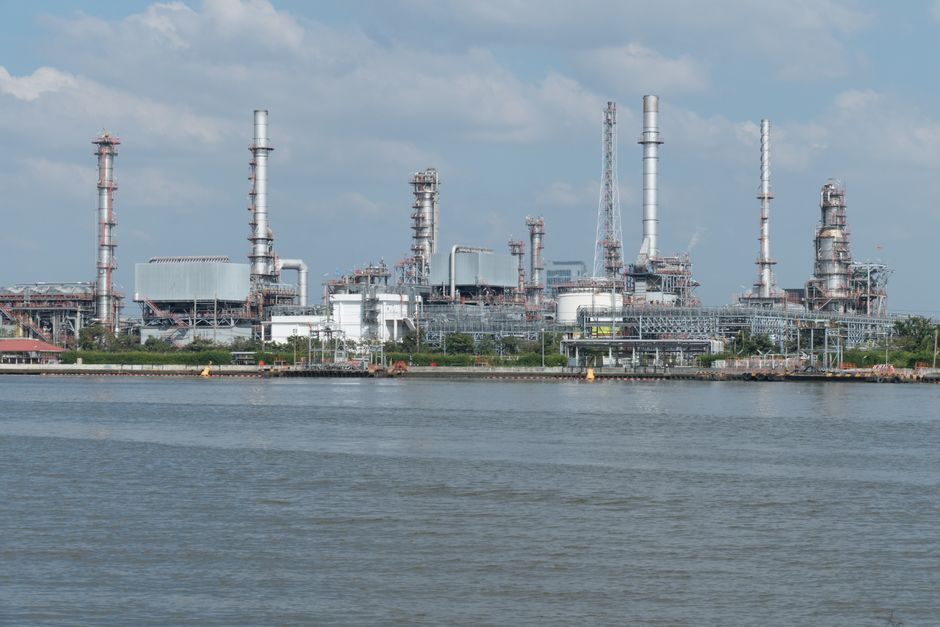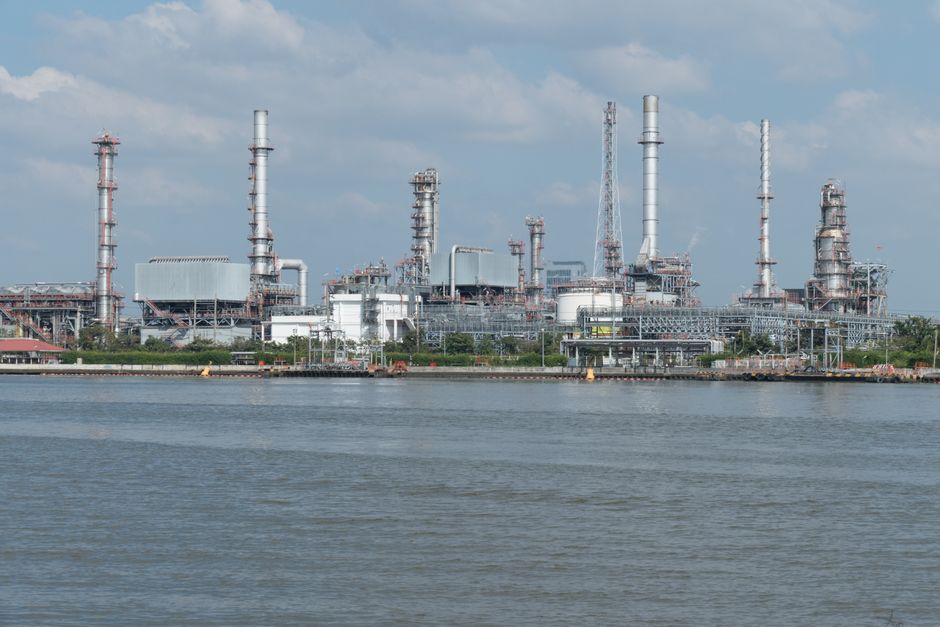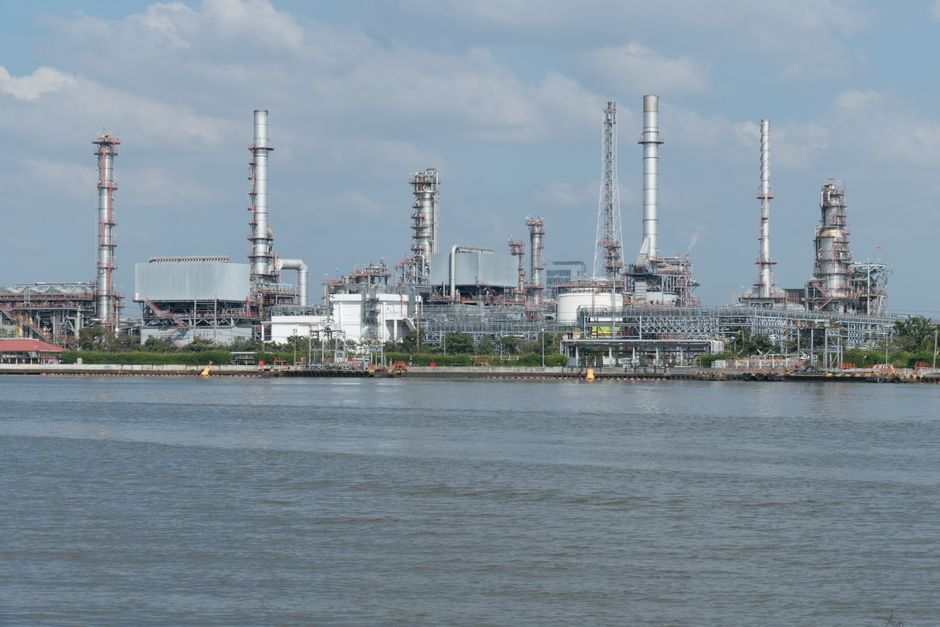
Global financial markets are currently navigating a complex intersection of geopolitical volatility, energy supply shocks, and a pivotal shift in monetary policy expectations. The primary catalyst for this heightened anxiety is the sustained surge in crude oil prices, driven by significant infrastructure disruptions in the Middle East, including the closure of Saudi Arabia’s East-West pipeline and the near-total shutdown of the Strait of Hormuz currencythoughts.com. As Brent crude maintains its position above the $107 mark, the resulting inflationary pressure is forcing a reassessment of interest rate trajectories across major economies investingcube.com. This environment has created a "trouble city" scenario for risk-sensitive assets, where the traditional decoupling of cryptocurrencies from equities is being tested by a broader rotation into defensive sectors and a surge in sovereign debt yields currencythoughts.com.
The Energy Stranglehold: Oil as a Macro Headwind
An overnight rise of 1.8% in Bitcoin’s price brings its cumulative advance since mid-August to 24% currencythoughts.com.
The energy sector has become the dominant force shaping global market sentiment this week. Brent and West Texas Intermediate (WTI) crude prices recorded overnight gains of 2.4% and 2.8%, respectively, following a 4% jump at the start of the week currencythoughts.com currencythoughts.com. The closure of the Saudi East-West pipeline, a critical alternative route designed to bypass the Strait of Hormuz, has intensified fears of a prolonged supply shock investingcube.com. Analysts observe that the market is no longer just pricing in Iranian supply disruptions but is now accounting for a broader Gulf logistics and infrastructure crisis investingcube.com.
The impact of these rising energy costs is visible in global inflation data. In the United States, the Consumer Price Index (CPI) rose 0.4% month-over-month in August, with energy prices climbing 2.1% during that period and 16.3% on a year-over-year basis cryptonews.com. Gasoline prices alone surged 27.4% annually cryptonews.com. Similar inflationary pressures are emerging globally; German wholesale price inflation rebounded to a 42-month high of 6.8% in August, while Indian wholesale inflation reached 9.92%, driven by a 22.9% spike in fuel costs currencythoughts.com currencythoughts.com.
Monetary Policy: The Fed and the Global Yield Surge
The persistence of high oil prices has significantly altered the outlook for the Federal Open Market Committee (FOMC) meeting concluding today, September 16. Prediction markets, such as Kalshi, show that 79% to 86% of participants now expect a 25-basis-point interest rate hike cryptonews.com cryptonews.com. This represents a sharp reversal from earlier summer expectations of a rate cut cryptonews.com. The 10-year U.S. Treasury yield briefly breached the 5.00% resistance benchmark on Tuesday, reaching its highest level since 2007 investingcube.com wolfstreet.com.
This upward pressure on yields is not confined to the U.S. Sovereign debt yields have risen across major economies, with 10-year yields climbing by 8 basis points in Australia and 4 basis points in Britain, France, Italy, and Spain currencythoughts.com. Central banks in smaller economies are already taking preemptive action; the Central Bank of Armenia raised its refinancing rate to 6.75% to combat re-accelerating inflation, which hit 4.4% currencythoughts.com. In a notable exception to the global trend of rising prices, the National Bank of Angola reduced its policy rate by 100 basis points to 14.75% as its inflation fell to a 136-month low of 8.8% currencythoughts.com.
Equity Markets: The AI Selloff and Defensive Rotation
The combination of rising yields and energy-driven inflation has triggered a significant selloff in high-growth technology and AI-related stocks. The Nasdaq Composite and S&P 500 both recorded losses, with the Nasdaq falling 0.7% on Tuesday thedefiant.io. Sentiment in the AI sector was further dampened by comments from industry leaders, including Anthropic CEO Dario Amodei, who called for a slowdown in development cryptonews.com. This led to sharp declines in Asian tech hubs; South Korea’s Kospi dropped 3%, and the Taiwan Index (TAIEX) fell approximately 350 points this week cryptonews.com investingcube.com.
In contrast, the FTSE 100 has shown relative resilience, rising 0.55% on Monday as investors rotated into defensive sectors like energy and pharmaceuticals investingcube.com. Heavyweight oil producers BP and Shell both gained 1.1%, benefiting directly from the crude price spike investingcube.com. Healthcare also provided support, with GSK shares jumping 3.7% following positive lung cancer drug trial results investingcube.com.
Digital Assets: Bitcoin and XRP Under Pressure
The cryptocurrency market is currently caught between macro headwinds and specific regulatory catalysts. Bitcoin (BTC) fell below $76,000 on Tuesday, a 3.1% decline over 24 hours, as traders cut the odds of the Senate passing the CLARITY Act thedefiant.io. Open interest in Bitcoin futures fell by 13.5% in ten days, dropping from 321,497 BTC to 278,151 BTC, suggesting that traders are proactively reducing leverage ahead of the FOMC decision cryptonews.com. Despite the price drop, U.S. spot Bitcoin ETFs saw a net inflow of $159.9 million on Monday, led by BlackRock’s IBIT with $134.3 million thedefiant.io.
XRP is similarly range-bound, trading near $1.40 cryptonews.com. While its 30-day liquidity index on Binance reached a six-month high of 0.0675, the market remains undecided on direction cryptonews.com. Technical analysts identify $1.38 as a critical breakout level, noting that over 4.8 billion XRP were acquired between $1.31 and $1.38 cryptonews.com. However, fading momentum is evident as the daily MACD histogram has turned slightly negative cryptonews.com.
Currency Markets: The Yen’s Counter-Intuitive Strength
In the foreign exchange market, the Japanese yen has strengthened by more than 3% against the U.S. dollar, even as the broader dollar index (DXY) remained relatively flat investingcube.com. This strength is attributed to the unwinding of the "carry trade" as the Bank of Japan (BoJ) is expected to raise its policy rate to 1.25% on Friday investmacro.com investingcube.com. The yield gap between 10-year U.S. Treasuries and Japanese government bonds has narrowed to approximately 300 basis points, reducing the incentive for investors to short the yen investingcube.com.
Conclusion
The current market landscape is defined by a "triple threat" of rising energy costs, surging bond yields, and regulatory uncertainty. As oil prices remain elevated due to geopolitical strife, the resulting inflationary pressure has forced a hawkish pivot in central bank expectations, particularly for the Federal Reserve. This has triggered a rotation out of high-growth technology and AI sectors into defensive equities and low-risk instruments like money market funds, which now hold a record $8.4 trillion in total balances wolfstreet.com. For digital assets, the path forward depends on whether they can maintain their recent decoupling from tech stocks or if the weight of rising real yields will eventually force a deeper correction.
What We Don't Know
It remains unclear whether the current surge in oil prices is a temporary geopolitical spike or a structural shift that will keep inflation elevated through 2027. While prediction markets heavily favor a Fed rate hike, the specific language of the FOMC statement and the updated "dot plot" projections are unknown and could trigger significant volatility regardless of the rate decision. Additionally, the final outcome of the Senate's CLARITY Act vote is uncertain, as several key Democrats have yet to endorse the revised 630-page text.