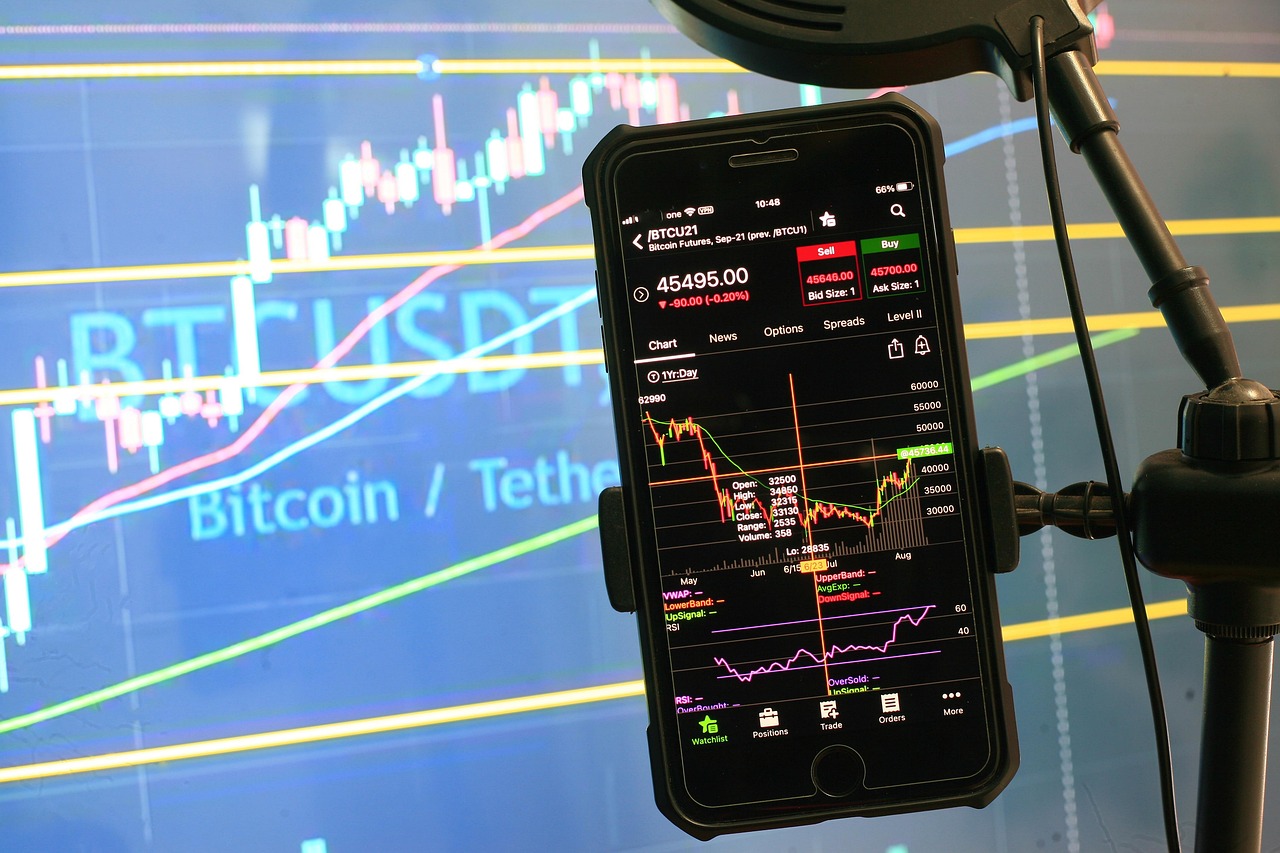
The cryptocurrency market is navigating a period of intense volatility as Ether extended its losing streak to six days, leaving the second-largest digital asset significantly below key technical thresholds [10]. This downward momentum coincides with a massive security breach at Binance, the world's largest cryptocurrency exchange, which has seen approximately $6.3 billion in assets affected [15]. While Binance has committed to covering user losses through its SAFU fund, the incident has triggered a broader "risk-off" sentiment, compounded by heavy outflows from U.S. spot Bitcoin ETFs and disappointing earnings from major technology giants [3] [25].
Market Sentiment Under the Influence of Security Breaches
The prevailing market mood has fallen under the influence of heightened security concerns following the disclosure of the Binance exploit on October 30, 2026 [3]. Preliminary investigations suggest the breach may have originated from a compromised DevOps engineer's laptop, allowing an unauthorized actor to access internal service containers and execute fraudulent withdrawals [3] [15]. Although roughly $3 billion in assets were successfully frozen through coordination with stablecoin issuers and Layer-2 networks, the remaining unrecoverable holdings have created a temporary supply imbalance [15] [25].
This atmosphere of uncertainty has been further exacerbated by a separate security incident at Chainalysis, where an external actor used "offensive agentic techniques" to gain unauthorized access to customer records, including names and email addresses [2]. While no investigation data or passwords were compromised, the breach has heightened fears of sophisticated phishing attempts targeting institutional users [2]. Consequently, the Crypto Fear and Greed Index has plummeted to 30, reflecting a state of "Fear" among investors [15] [28].
ETF Outflows and Institutional Retreat
The technical damage to the market is visible in the sudden reversal of institutional fund flows. On October 30, U.S. spot Bitcoin ETFs recorded net outflows of approximately $643.33 million, ending a four-session streak of inflows [3]. BlackRock’s IBIT saw redemptions of $233.7 million, while Fidelity’s FBTC lost $201 million [3]. This institutional retreat occurred alongside a sharp selloff in the Nasdaq, driven by investor skepticism regarding the immediate profitability of massive artificial intelligence investments by companies like Alphabet [3] [25].
Technical Pressure and the Path to Recovery
Ether’s price action has been particularly defensive, trading near $2,232.62 and marking a 3.8% decline in a single session [10]. The asset now sits roughly 41% lower than its value one year ago and remains trapped below its 50-day moving average of $2,430 and its 200-day average of $2,320 [10]. Analysts observe that driving under the influence of persistent selling by large holders and recession fears has left Ether without a firm foothold, with the next major support level not appearing until the $1,940 zone [10].
Bitcoin has similarly struggled, testing the $76,000–$77,000 support range [3]. While it remains above its 200-day moving average of $76,000, the cushion is thin, and a daily close below this level could signal a shift from a routine pullback to a long-term trend change [8]. Momentum indicators like the RSI currently stand at 34, suggesting that while the market is weak, it has not yet reached the extreme oversold conditions that typically precede a sharp relief bounce [8].
Regulatory Shifts and Corporate Maneuvers
Amid the market turmoil, some entities are moving to reduce their exposure to digital assets. Next Technology Holding authorized the sale or borrowing against its 5,833 BTC holdings, valued at approximately $449 million, citing exchange vulnerabilities and the Binance hack as primary concerns [6]. Conversely, Ripple received final approval from the U.S. Office of the Comptroller of the Currency (OCC) to establish a national trust bank, a move intended to support its stablecoin (RLUSD) and provide enterprise-grade custody [13].
In the stablecoin sector, Tether reported a Q3 profit of $1.5 billion, with its reserve buffer nearly doubling to $7.95 billion [7]. The company now holds $132.4 billion in U.S. Treasury bills, emphasizing a strategy of liquidity to maintain redemptions during periods of financial market pressure [7]. Meanwhile, the SEC continues to weigh tighter rules for crypto funds, recently opening a request for comment on whether funds holding non-securities should be classified as commodity trusts [8].
What to watch next: Investors will focus on Binance's scheduled restoration of withdrawals on November 1 and the upcoming Reserve Bank of Australia interest rate decision on November 3, which could impact broader risk appetite [3] [24]. Additionally, the market will monitor whether Bitcoin can reclaim its 50-day moving average near $80,000 to invalidate the current bearish momentum [8].