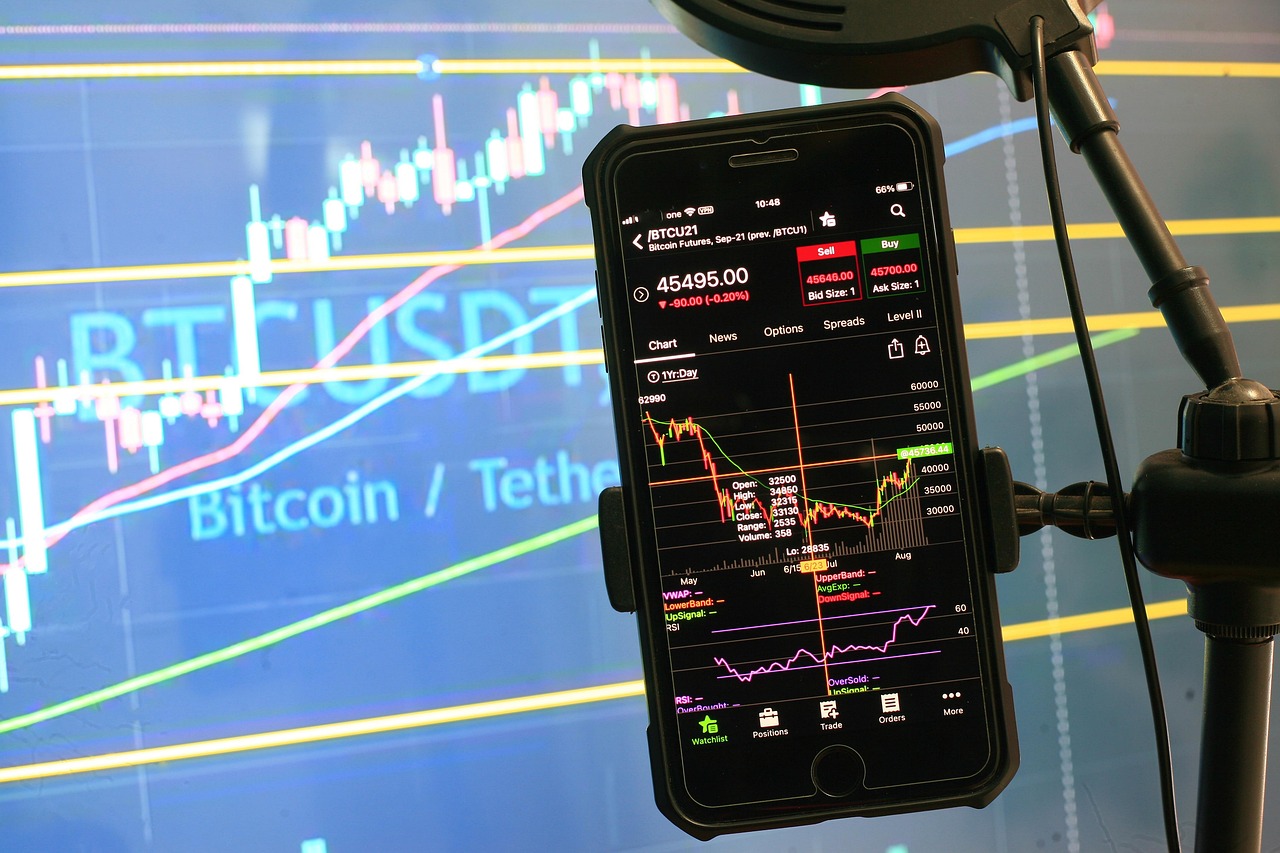
The cryptocurrency market is currently navigating a period of intense structural stress following a security breach at Binance, the world’s largest digital asset exchange, which resulted in the theft of approximately $6.3 billion bitcoinist.com. This incident, occurring on October 29, 2026, is now recognized as the largest cryptocurrency theft in history, eclipsing the $1.46 billion loss suffered by Bybit in early 2025 bitcoinist.com. While the attack targeted exchange infrastructure rather than the underlying Bitcoin blockchain, the immediate market reaction saw Bitcoin prices retreat below the $80,000 threshold as leveraged positions faced significant liquidations bitcoinist.com. This security crisis coincides with a complex macroeconomic backdrop, including the 2026 U.S. midterm elections and a massive $2 trillion wipeout in the technology sector driven by concerns over artificial intelligence capital expenditures investmacro.com investingcube.com. As investigators attribute the breach to the North Korean-linked group TraderTraitor, the industry is forced to reassess the risks of centralized custody against a landscape of rising energy costs and shifting political power bitcoinist.com investmacro.com.
The Mechanics of the $6.3 Billion Binance Breach
The scale of the Binance theft has sent shockwaves through the digital asset ecosystem, with blockchain analytics firm Elliptic estimating the total loss at $6.43 billion across multiple networks, while Binance’s internal estimates sit at roughly $6.3 billion bitcoinist.com. Initial forensic investigations identified a compromised laptop belonging to a DevOps engineer as the primary entry point bitcoinist.com. This unauthorized access allowed attackers to reach a service container, which was subsequently used to authorize large-scale withdrawals cryptodaily.co.uk. Despite the severity of the breach, Binance has stated there is no evidence that wallet private keys were leaked cryptodaily.co.uk.
In the immediate aftermath, Binance and its industry partners successfully froze approximately $3 billion of the stolen assets cryptodaily.co.uk. To protect its user base, the exchange pledged to absorb the remaining losses using its Secure Asset Fund for Users (SAFU), corporate reserves, and insurance resources bitcoinist.com. By November 1, the exchange had begun a phased resumption of withdrawals, reporting that most stolen assets had been replaced bitcoinist.com. However, analysts note that frozen assets are not yet fully recovered or returned to the circulating supply bitcoinist.com.
Impact on Bitcoin and Ethereum Liquidity
The hack has introduced specific selling pressures on major assets. Of the total stolen funds, approximately $1.5 billion was in Bitcoin, representing 18,270 BTC cryptodaily.co.uk. While this is a significant sum, market observers suggest that the broader Bitcoin market, which currently has an asset value of approximately $1.55 trillion, may be able to absorb these sales if they do not occur rapidly cryptodaily.co.uk thecryptoupdates.com.
Ethereum (ETH) faces a different set of challenges. The attacker has been observed converting stolen proceeds into ETH, which adds immediate supply to a token that has already shed 14% of its value over the past month cryptodaily.co.uk. On November 1, Ethereum logged its thinnest trading session in 11 weeks, with volume falling 76% in a single day to $4.63 billion cryptodaily.co.uk. This lack of liquidity makes the asset particularly vulnerable to outsized price swings as Binance gradually reopens withdrawals cryptodaily.co.uk.
Macroeconomic Headwinds: The $2 Trillion Tech Repricing
The Binance incident did not occur in a vacuum; it coincided with a massive structural rotation in global equity markets. In October 2026, the Nasdaq 100 lost over $2 trillion in market value as investors questioned the profitability of record investments in AI infrastructure investingcube.com. Major technology firms reported significant capital expenditure projections that pressured their free cash flows. For instance, Alphabet reported a $9.1 billion negative free cash flow due to infrastructure spending, while Amazon expects its capital expenditures to reach $220 billion by 2026 investingcube.com.
This "second wave" of inflation is also hitting the industrial economy. Construction spending on data centers spiked 90% year-over-year to an annual rate of $96 billion in September 2026 wolfstreet.com. Since early 2021, the rate of construction spending on these facilities has increased by 950% wolfstreet.com. The resulting demand for electrical equipment and machinery has pushed the Producer Price Index (PPI) for construction materials up by 11% year-over-year wolfstreet.com.
Energy Costs and Central Bank Hawkishness
Adding to the volatility is the surge in energy prices. WTI crude reached $104.12 per barrel and Brent crude hit $117.64 by the end of October, securing a 15% monthly gain investmacro.com. Geopolitical tensions in the Strait of Hormuz have added a risk premium estimated by Goldman Sachs at $27 per barrel investingcube.com. These high energy costs are undermining hopes for monetary easing, reinforcing hawkish stances from the Federal Reserve and the Bank of England investmacro.com.
Political Catalysts: The 2026 U.S. Midterm Elections
The U.S. midterm elections on November 3, 2026, serve as a critical pivot point for the cryptocurrency industry, which has invested $176 million into various races to back favorable candidates cryptonews.com. Historically, Bitcoin has shown a pattern of strong returns in the 12 months following midterm elections, with average gains of 53.7% recorded after the 2014, 2018, and 2022 votes cryptonews.com. Specifically, BTC advanced 24.1% after 2014, 43.4% after 2018, and 92% after the 2022 election cryptonews.com.
However, the immediate 90-day aftermath of these elections has often been volatile. Bitcoin fell 27.5% following the 2014 vote and 46.5% after the 2018 midterms cryptonews.com. The 2026 election arrives as the market assesses the impact of the stalled CLARITY Act, a piece of legislation whose failure to advance in the Senate previously caused a 5% drop in Bitcoin prices cryptonews.com. A Democratic victory in the House of Representatives, anticipated by some market participants, could lead to a period of divided government and a freeze on new fiscal initiatives investmacro.com.
Technical Analysis of Major Digital Assets
The technical outlook for major cryptocurrencies remains cautious as they struggle with key resistance levels and momentum indicators that favor sellers.
Bitcoin (BTC) Support and Resistance
Bitcoin recently broke down from a descending channel and has been testing the underside of that channel as resistance cryptodaily.co.uk. Analysts identify the $75,000 to $75,600 range as a critical horizontal support level, which aligns with the 0.5 Fibonacci retracement level cryptodaily.co.uk. If this support fails, a deeper correction toward the bull market trendline at $67,800 is possible cryptodaily.co.uk. Despite these short-term fears, Michael Saylor of MicroStrategy has reinforced a bullish long-term outlook, asserting that Bitcoin can outlast bearish trends en.cryptonomist.ch.
Ethereum (ETH) and the 200-Day Barrier
Ethereum is currently trading near $2,290, placing it below its 200-day moving average of $2,320 and its 50-day average of $2,420 cryptodaily.co.uk. The 200-day average, which previously acted as a floor, has now flipped into a ceiling that sellers are defending cryptodaily.co.uk. Momentum indicators like the RSI sit at 38, suggesting that while the asset is weak, it is not yet oversold (which typically occurs below 30) cryptodaily.co.uk. A significant support floor is identified at $1,940, roughly 15% below current market prices cryptodaily.co.uk.
NEAR Protocol and Tokenomic Shifts
NEAR Protocol has experienced a sharp pullback, falling 11% in a week and trading near $4.12 cryptodaily.co.uk. This decline occurred despite the token rejoining the Bitwise 10 Crypto Index ETF cryptodaily.co.uk. A new governance proposal, HSP-029, seeks to reduce the maximum annual NEAR token issuance from 2.5% to 1.6% over 24 months en.cryptonomist.ch. While this would reduce holder dilution, it would also lower gross staking yields from 5.268% to 3.372% en.cryptonomist.ch. Technically, NEAR sits below its 50-day moving average of $4.31, with a potential "air pocket" on the chart that could see prices drift toward the summer rally floor of $2.73 if selling persists cryptodaily.co.uk cryptodaily.co.uk.
Institutional and Whale Activity
Despite the prevailing bearish sentiment, some large-scale investors are utilizing the price weakness to accumulate assets. On-chain data shows an Ethereum whale purchased nearly $63 million worth of ETH (27,553 tokens) at an average price of $2,286 during the recent dip cryptonews.com. This aggressive buying spree suggests that some "smart money" participants view the current range as an attractive entry point cryptonews.com.
In the XRP market, Ripple recently returned 700 million XRP (worth approximately $875 million) to escrow following its scheduled November token release cryptonews.com. This move limits the amount of new supply entering the market, as institutional interest in XRP grows through products like spot ETFs, which held 1.17 billion tokens as of late October cryptonews.com.
Furthermore, the Bitcoin institutional landscape continues to evolve. As of October 31, 2026, U.S. spot Bitcoin ETFs held approximately 1.28 million BTC, or 6.36% of the circulating supply, with cumulative net inflows exceeding $57 billion thecryptoupdates.com. MicroStrategy remains a dominant corporate holder, possessing 848,517 BTC, which represents more than 4% of the maximum 21 million supply thecryptoupdates.com.
Global Currency and Commodity Divergence
The broader financial markets are exhibiting significant divergence, particularly in the Asia-Pacific region. The Japanese Yen has seen a surge in bullish speculative positioning, with net contracts jumping by over 31,000 to reach a total of +101,591 investmacro.com. This shift is driven by expectations that the Bank of Japan may raise interest rates to 1.5% in December as core inflation reaches its 2% target investmacro.com.
In contrast, the Australian Dollar has seen speculator bets fall for seven consecutive weeks, reaching a record low of -128,315 net contracts investmacro.com. Similarly, Euro speculative positions have reached their most bearish levels since 2016, with a net contract level of -143,894 investmacro.com.
Gold prices have also faced pressure, dropping to a multi-month low of $3,875 following hawkish Federal Reserve commentary investingcube.com. Technical analysis suggests further downside for XAU/USD, with a potential move toward the $3,800 psychological level if upcoming nonfarm payrolls data shows continued labor market strength investingcube.com.
Governance and Security Evolution
The Binance hack has reignited the debate over self-custody versus centralized exchanges. While Binance’s SAFU fund provides a safety net, the incident highlights the inherent risks of exchange infrastructure bitcoinist.com. In response to such vulnerabilities, decentralized organizations are moving to harden their governance systems. The ENS DAO is currently voting on a "Governor Nexus Update" to close critical weaknesses, such as a one-block voting delay that previously gave delegates only 12 seconds to coordinate themerkle.com. The new system would introduce a 48-hour extension for "last-minute flips" to prevent governance attacks themerkle.com.
Similarly, projects like Bitcoin Hyper are attempting to expand Bitcoin’s utility by developing Layer 2 solutions powered by the Solana Virtual Machine, aiming to bring smart contracts and high-speed execution to the Bitcoin network cryptonews.com. This reflects a broader industry trend toward building more resilient and programmable financial infrastructure that reduces reliance on centralized intermediaries.
The convergence of the $6.3 billion Binance hack, the $2 trillion tech sector repricing, and the 2026 U.S. midterm elections has created a high-volatility environment for digital assets. While Bitcoin and Ethereum face immediate technical pressure and liquidity challenges, institutional accumulation and historical post-election patterns provide a counter-narrative of long-term resilience. The market’s ability to absorb the hack-related selling and navigate shifting interest rate expectations will be the primary determinant of price direction in the final quarter of 2026. Investors are increasingly focused on the distinction between the security of centralized trading platforms and the integrity of decentralized networks, a lesson reinforced by the record-breaking scale of the Binance breach.
What We Don't Know
While Binance has resumed withdrawals, it remains unclear how much of the $6.3 billion in stolen assets will ultimately be recovered versus permanently lost, and whether the hackers will attempt to liquidate the remaining $1.5 billion in BTC in a manner that could cause a flash crash. Furthermore, the sources do not confirm the final outcome of the U.S. midterm elections or how a potentially divided government will specifically impact the stalled CLARITY Act. Finally, it is unknown if the recent $63 million Ethereum whale purchase represents a long-term bottom or merely a short-term hedge by a market maker amidst the ongoing liquidity drain.