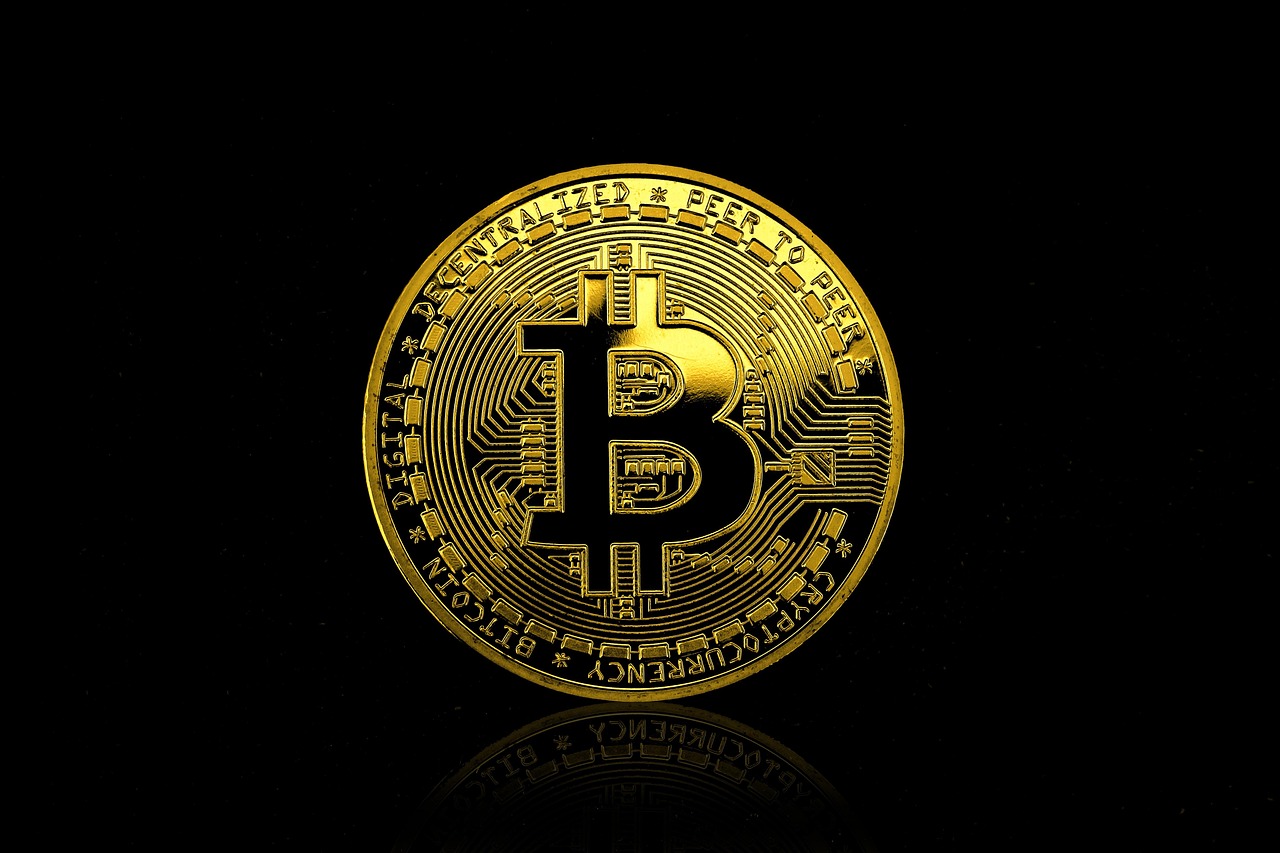
Bank Leumi, recognized as the oldest and largest commercial bank in Israel, has announced a landmark partnership with Galaxy Digital to integrate cryptocurrency trading directly into its existing financial platforms. This initiative, which targets an early 2027 launch, marks a significant shift in the regional banking landscape as the institution prepares to offer Bitcoin, Ether, and Solana to its millions of retail and commercial clients [1] [2]. By embedding digital assets within the Leumi Trade investment app, the bank aims to remove traditional barriers to entry, such as the need for external exchanges or private wallet management, while maintaining institutional-grade security and regulatory oversight [4] [6].
Strategic Integration of Digital Assets at Israel’s Oldest Bank
The collaboration between generic Israel’s oldest bank and Mike Novogratz’s Galaxy Digital represents a second attempt to bridge the gap between traditional finance and digital markets. A previous effort in 2022 involving Paxos failed to launch after the Bank of Israel withheld regulatory clearance [5]. However, the current landscape has evolved significantly due to mid-2026 regulatory shifts that eased restrictions on crypto-linked deposits and established clearer capital requirements for virtual asset service providers [1] [5]. Under the new agreement, Galaxy will provide the underlying trading and custody machinery through its GalaxyOne Institutional platform [2] [7].
The service is designed to function similarly to a conventional brokerage account. Customers will be able to buy, hold, and sell selected assets alongside their existing portfolios of stocks and bonds [1]. Notably, the bank will utilize the GK8 custody infrastructure—an Israeli-founded firm acquired by Galaxy—which employs air-gapped technology to keep private keys disconnected from the internet, thereby reducing the risk of remote cyberattacks [1] [5].
Asset Selection and Institutional Rationale
The decision to include Solana alongside Bitcoin and Ether highlights a growing institutional appetite for high-performance blockchain networks. While Bitcoin and Ether remain the dominant market leaders by valuation, Solana has seen increased adoption among large-scale investors [2]. Market data from other sectors supports this trend; for instance, the GSR Core3 model portfolio recently increased its Solana allocation to 43.7%, reflecting strong near-term momentum for the asset [8]. By offering these three specific cryptocurrencies, Bank Leumi is aligning its product suite with global institutional standards [4].
Regulatory Evolution and Market Competition
The path for generic Israel’s oldest bank to enter the crypto space was cleared by a series of legislative updates in 2026. The Bank of Israel recently advanced rules that treat transfers from licensed digital asset providers as lower risk, moving away from a previous policy of automatic scrutiny for large transfers [1]. Additionally, new standards for public-facing tokens now favor established assets that meet specific decentralization and market-value thresholds, which directly benefits the inclusion of Bitcoin, Ether, and Solana [1].
This move is expected to place competitive pressure on other major Israeli financial institutions, such as Bank Hapoalim and Mizrahi-Tefahot, which have yet to announce comparable retail crypto offerings [1]. With over 25% of Israelis estimated to have held or used digital assets, and the country receiving approximately $22 billion in on-chain value in the year ending June 2025, the demand for a regulated, bank-controlled on-ramp is substantial [1].
Global Context: Institutional Adoption and ETF Momentum
The initiative by generic Israel’s oldest bank mirrors a broader global trend of traditional financial giants increasing their exposure to digital assets through regulated vehicles. In the United States, the approval of spot Bitcoin ETFs in early 2024 has served as a catalyst for major institutional players. Recent SEC filings reveal that UBS Group AG increased its holdings in BlackRock’s iShares Bitcoin Trust (IBIT) to approximately $90 million by mid-2026, a 230% increase in value from the end of 2025 [9] [10].
Other prominent firms are also deepening their commitments:
- Edelman Financial Engines: Reported a $34 million investment in Bitcoin ETFs, surpassing its position in Amazon [3].
- Tudor Investment Corporation: Increased its stake in BlackRock’s IBIT to 688,529 shares, valued at roughly $22.9 million [3].
- Galaxy Digital: Beyond its partnership with Leumi, Galaxy recently expanded its collaboration with BNY to include institutional staking capabilities [2] [4].
While these investments often represent a small fraction of total assets under management—for example, the IBIT stake is less than 0.02% of UBS’s reported assets—they signal that regulated Bitcoin access has become a legitimate option within mainstream wealth management [9] [10]. The use of ETFs and bank-led trading platforms allows institutions to avoid the operational complexities of direct custody while meeting client demand for digital asset exposure [10].
What to Watch Next
The primary focus for investors will be the final regulatory sign-off from the Bank of Israel, which remains the ultimate gatekeeper for the 2027 launch [1] [5]. Market participants should also monitor whether other Israeli banks respond with their own digital asset services to maintain competitiveness. Globally, the upcoming quarterly 13F filings will reveal if the trend of institutional accumulation in Bitcoin ETFs continues among major wealth managers like UBS and Tudor, potentially stabilizing the market through increased "strong hand" participation [3] [10].