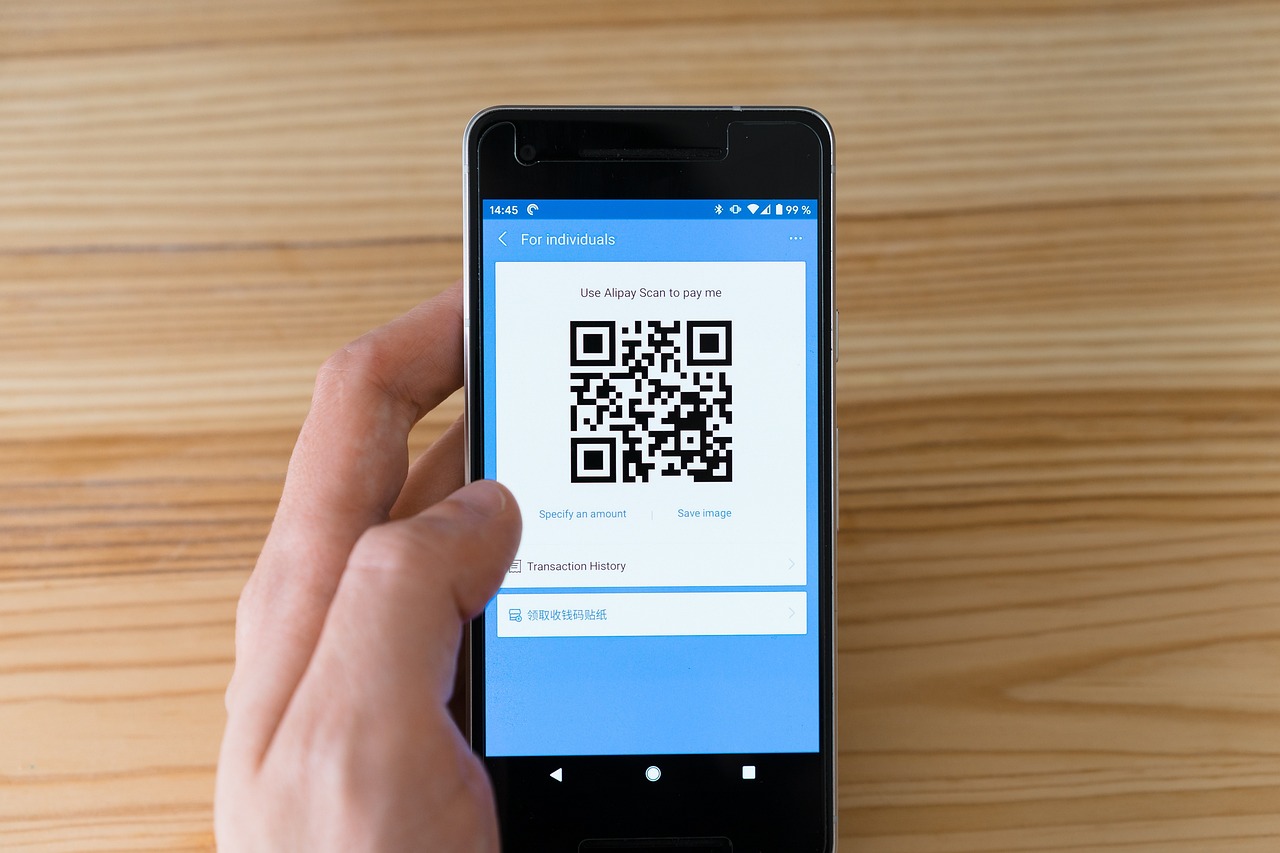
The digital asset ecosystem is undergoing a fundamental shift from speculative trading toward functional utility, as evidenced by recent moves to integrate cryptocurrency into everyday consumer and business workflows. Binance Pay is at the forefront of this transition, launching a strategic initiative to encourage the use of digital assets for routine expenses like telecommunications bitcoinist.com. This trend is mirrored in the business sector, where stablecoins are increasingly being treated as essential infrastructure for SaaS and eCommerce rather than mere trading pairs cryptodaily.co.uk. As major financial institutions in markets like Türkiye and Russia begin to formalize their digital asset offerings, the boundary between traditional finance and blockchain-native services continues to blur bitcoinist.com bitcoinist.com.
Expanding Consumer Utility Through Mobile Top Up Incentives
In an effort to drive the adoption of crypto-based payments for non-trading purposes, Binance Pay has introduced a 20% discount on the first qualifying mobile top up for verified users across 10 specific markets bitcoinist.com. The promotion, which is active in countries including Bangladesh, Kenya, Pakistan, and the UAE, is capped at an equivalent of 3 USDT and requires a minimum transaction of 1 USDT bitcoinist.com. Analysts observe that these regions share a high reliance on prepaid mobile services, making them ideal testing grounds for whether digital asset balances can effectively replace fiat for recurring, low-value consumer needs bitcoinist.com.
Strategic Market Positioning and User Acquisition
The Binance Pay campaign is structured as a user-acquisition tool rather than a permanent subsidy, with the offer running until October 19 or until rewards are exhausted bitcoinist.com. By simplifying the payment process for services like a ding top up or other airtime reloads, the platform aims to demonstrate that crypto utility is most effective when it settles transactions users already perform regularly bitcoinist.com. This move coincides with broader industry efforts to streamline the user experience; for instance, the startup Navra recently raised $19 million to build interfaces that hide the underlying complexity of on-chain finance for traditional investors bitcoinist.com.
Stablecoins as the New Business Operating Layer
Data from NOWPayments suggests that the industry mix is shifting toward businesses that utilize payments for day-to-day operations cryptodaily.co.uk. Between early 2025 and 2026, the combined share of SaaS and eCommerce partners in the NOWPayments dataset rose from 48.26% to 55.54%, a 15.08% year-over-year increase cryptodaily.co.uk. Conversely, the share of partners focused primarily on trading declined from 14.07% to 13.15% during the same period cryptodaily.co.uk.
The operational requirements for these businesses vary significantly by sector. While a SaaS company might prioritize recurring billing and reconciliation, an eCommerce marketplace often requires infrastructure for seller settlements and affiliate payouts cryptodaily.co.uk. Network preferences also diverge; USDT on the TRON network accounted for 54.58% of successful payments in eCommerce marketplaces within the dataset, but only 9.60% in the SaaS sector cryptodaily.co.uk. This suggests that businesses are increasingly selecting blockchain networks based on specific workflow needs rather than general market popularity cryptodaily.co.uk.
Institutional Convergence and Tokenized Asset Integration
The integration of traditional financial assets into blockchain environments is accelerating. Binance recently expanded its margin collateral options to include tokenized shares of major corporations like JPMorgan Chase (JPMB) and Eli Lilly (LLYB) bitcoinist.com. This allows eligible traders to use equity exposure to back leveraged crypto positions, potentially increasing capital efficiency by blurring the lines between different asset classes bitcoinist.com. Similarly, in Japan, Startale has launched a digital corporate bond totaling ¥99.9 million that pays both interest and principal in JPYSC, a yen-denominated stablecoin newsbtc.com.
Infrastructure providers are also building bridges to connect these ecosystems. Polygon Labs announced that its Open Money Stack now supports the TRON network, linking TRON’s $94 billion USDT economy directly to regulated U.S. payment rails newsbtc.com en.cryptonomist.ch. This integration allows businesses to move funds between banking systems and the TRON network through a single API, facilitating cross-border remittances and marketplace payouts en.cryptonomist.ch.
Regional Regulatory Formalization
Major national markets are moving to bring digital asset activity under state-supervised frameworks. In Türkiye, Yapı Kredi Kripto has selected Integral’s technology to power pricing and risk management for its upcoming regulated trading service bitcoinist.com cryptodaily.co.uk. This move comes as the country implements a new licensing framework for digital asset providers bitcoinist.com. Meanwhile, Russia has begun admitting major banks like VTB and Sberbank to new registers for cryptocurrency exchanges and digital depositories bitcoinist.com. While domestic crypto payments remain prohibited in Russia, the new framework allows for regulated investment and custody within a supervised environment bitcoinist.com.
Market observers should monitor whether the current Binance Pay promotion leads to sustained payment volume once the 20% discount expires, as this will indicate the true level of consumer demand for crypto-based utility. Additionally, the success of institutional projects like the Japanese digital bond and the expansion of tokenized collateral on major exchanges will likely determine the pace at which traditional and digital financial architectures continue to merge.