
The S&P 500 and Nasdaq Composite showed resilience on Tuesday, rebounding as falling oil prices and retreating Treasury yields provided a necessary cushion against deteriorating consumer sentiment [1] [4]. While the broader market indices edged higher, the rally remains precariously balanced between two major catalysts: the upcoming nvidia earnings and critical U.S. inflation data [4]. Market participants are navigating a bifurcated landscape where technology and artificial intelligence infrastructure continue to attract capital, even as the discretionary consumer shows signs of significant strain [1]. With the 10-year Treasury yield easing toward 4.64%, the focus has shifted from policy-driven moves to a causal chain where cheaper energy costs are compressing yields and lifting long-duration assets [1].
Nvidia Earnings and the AI Infrastructure Test
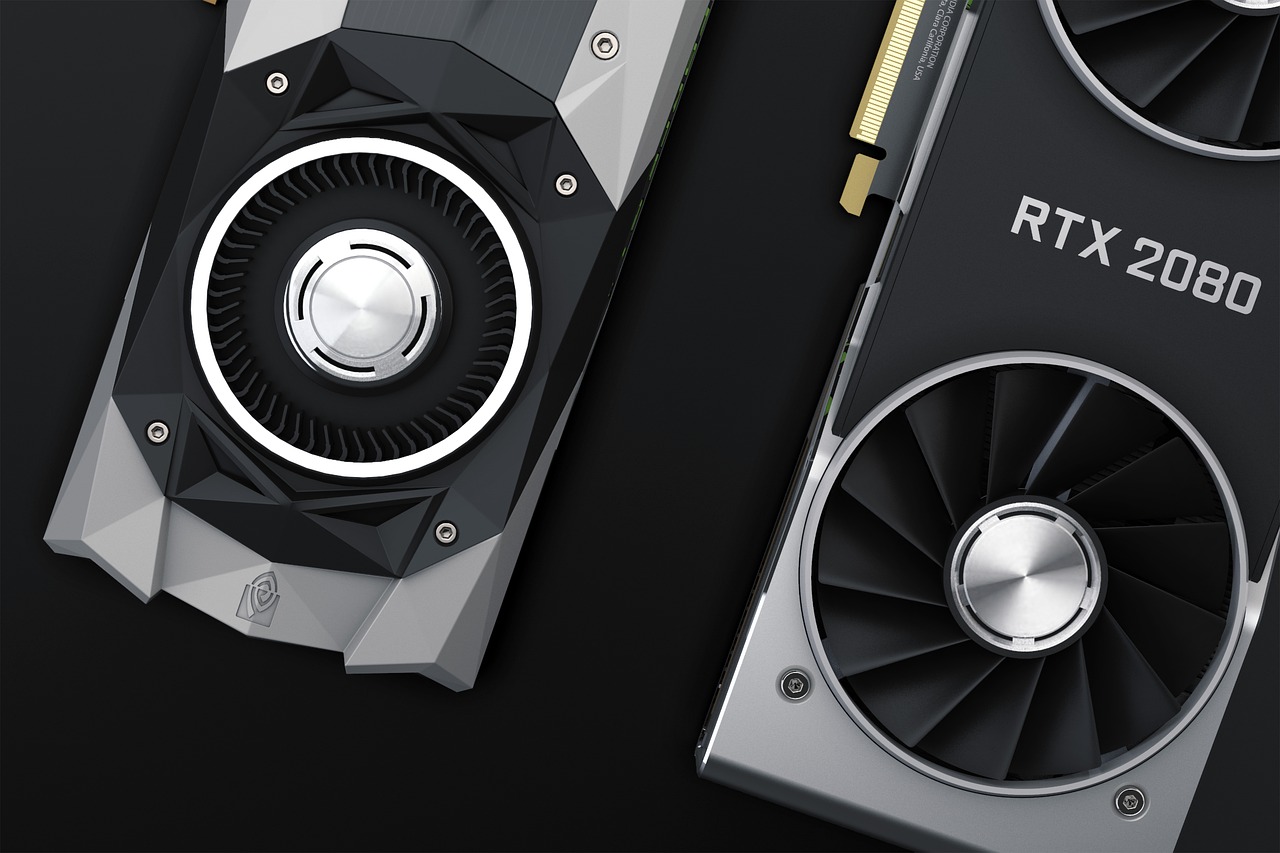
The earning date for nvda, scheduled for after the market close on Wednesday, August 26, is widely viewed as the definitive test for the artificial intelligence trade [4]. After snapping a seven-day losing streak with a 2% gain on Tuesday, Nvidia remains up more than 13% for the year 2026 [1]. Analysts observe that the nvidia earnings report will serve as a proxy for the health of global AI spending, particularly as semiconductor stocks have already gained approximately 61% this year [4].
Market Impact and Valuation Stakes
Options markets are currently pricing a potential 5.4% move in Nvidia shares following the release, which translates to a massive $280 billion shift in market capitalization [4]. This volatility is underscored by the fact that AI infrastructure stocks accounted for roughly one-third of S&P 500 earnings-per-share growth in the second quarter [2]. Furthermore, aggregate S&P 500 earnings growth of 52% is heavily influenced by mark-to-market gains on AI investments held by tech giants like Alphabet and Amazon; without these accounting adjustments, growth would sit at a still-strong 33% [2]. Investors are looking for the nvidia earnings report to confirm that massive capital expenditures are translating into sustainable operating revenue rather than just rising valuations [4].
Consumer Price Index and Inflation Dynamics
While technology dominates the headlines, the consumer price index and inflation outlook remains the second pillar of market stability [4]. Investors are awaiting the Personal Consumption Expenditures (PCE) price index, the Federal Reserve's preferred inflation gauge, to determine if price pressures are easing sufficiently to allow for more supportive monetary policy [4] [12]. Current sentiment is complicated by a sharp decline in consumer confidence, which hit a seven-month low of 89.4 in August [1].
The internal composition of the confidence report reveals a striking split: while households view current conditions as improving, the expectations sub-index collapsed by 7.8% to its lowest level since January [1]. This "nervousness about tomorrow" was validated by Dick’s Sporting Goods, which suffered its worst trading day on record after slashing its full-year profit outlook [1]. The retail sector's struggle suggests that the discretionary consumer may be contracting, making the upcoming inflation data even more critical for assessing the Fed's next move [1].
The Role of Gold, Bitcoin, and the Treasury Market
The interplay between inflation and the dollar has sparked a significant rotation into alternative stores of value [3] [6]. Gold ETFs recorded their largest weekly inflow in 10 months, attracting $6.4 billion as spot bullion approached the $4,700 milestone [3]. Simultaneously, Bitcoin surged above $80,000, reaching its highest level since May, driven by a record $1.92 billion inflow into U.S. spot ETFs [6] [11].
These moves are closely tied to the U.S. Treasury's decision to expand its bond buyback program to $4 billion per operation, a move intended to stabilize the long end of the yield curve [10] [14]. While this intervention has successfully pushed the 10-year yield down from recent highs, it has also weakened the dollar's yield advantage, supporting the Euro's climb to its highest level since May at 1.1700 [14] [16]. However, geopolitical tensions in the Middle East and the potential for new sanctions against Iran continue to provide a safe-haven floor for the greenback, limiting the upside for pairs like EUR/USD and GBP/USD [7] [13].
What to watch next: The market's immediate trajectory will be defined by the nvidia earnings release late Wednesday and the subsequent PCE inflation data [4]. Investors will monitor whether Nvidia's guidance can justify current AI valuations and if cooling inflation can offset the clear signs of weakness emerging from the U.S. retail sector [1] [12].

![[crypto] S&P 500 CPI Week: Why a Soft Inflation Print Still Has to Clear Guidance Risk](/uploads/thumbnails/crypto-s-p-500-cpi-week-why-a-soft-inflation-print-still-has-to-clear-guidance-risk.jpg)
