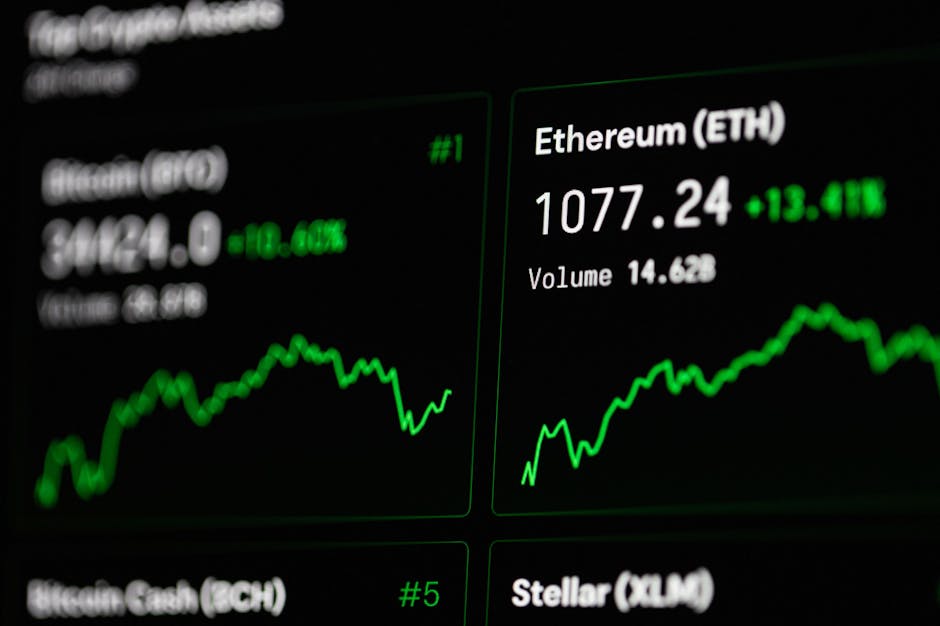
Bitcoin’s recent price volatility has reignited the long-standing debate between digital asset proponents and traditionalists like peter schiff. While the cryptocurrency briefly reclaimed the $80,000 level after a weekend dip to $79,100, it continues to face significant pressure from institutional outflows and technical resistance [56]. This market tension coincides with a broader institutional shift toward blockchain infrastructure, as major players like Robinhood and Ripple expand their digital asset services despite mixed trading volumes and regulatory hurdles [2] [14].
The current market environment is characterized by a sharp divide between speculative price action and the steady integration of blockchain technology into global finance. While critics point to Bitcoin's lack of intrinsic value compared to assets held by a peter schiff gold company, institutional adoption is moving toward "market plumbing"—the clearing, custody, and settlement layers that allow digital assets to function within regulated frameworks [11] [21].
Market Warnings and the Peter Schiff Twitter Narrative
The discourse surrounding Bitcoin's staying power often centers on the skepticism voiced on the peter schiff twitter feed. On October 24, Schiff predicted that Bitcoin was "finally breaking down" after it slipped below $80,000, suggesting a move toward $75,000 was imminent [56]. Although the asset briefly defied this timing by rebounding to $81,000, it fell back below the $80,000 mark on October 26, leaving his downside targets a subject of intense market scrutiny [56].
Schiff’s critique often draws a sharp contrast between the volatility of "digital gold" and the historical stability of precious metals. He has frequently noted that while he is surprised by Bitcoin's resilience, he maintains that it lacks the monetary history found in peter schiff silver or gold [56]. This perspective is reinforced by recent data showing substantial withdrawals from US spot Bitcoin ETFs, which saw $635.5 million in outflows on October 22 and another $137 million on October 23 [56].
Institutional Resilience vs. Speculative Volatility
Despite the bearish warnings, the underlying infrastructure for digital assets is expanding. Robinhood reported that its cryptocurrency revenue grew 20% in the third quarter of 2026 to reach $120 million [2]. Interestingly, $26 million of this revenue came from its new blockchain infrastructure, Robinhood Chain, which helped offset a 6% decline in traditional crypto trading revenue [2]. This suggests that while retail trading may cool, the business of decentralized financial infrastructure is becoming a more significant revenue driver [2].
Corporate Treasury Strategies and Custody Risks
The trend of using digital assets as treasury holdings is facing its own set of challenges, ranging from accounting controversies to liquidity issues. Datavault AI (NASDAQ: DVLT) saw its shares plunge nearly 50% on October 27 after disclosing difficulties accessing Bitcoin associated with a $150 million investment agreement [3]. The company revealed that 1,309.04 BTC credited to its account through off-chain transfers could not be withdrawn to an external wallet, leading to a reassessment of its financial reporting and liquidity [3].
In contrast, other firms are doubling down on their accumulation strategies. Strive disclosed the purchase of 6,182 Bitcoin between October 17 and October 23 at an average price of $82,732 per coin, bringing its total holdings to 43,000 BTC [7]. Similarly, Bitmine Immersion Technologies reported that its Ethereum holdings reached 6.05 million ETH, representing approximately 4.95% of the total circulating supply [6] [50]. Bitmine has also integrated staking into its model, with over 5.2 million ETH staked through its MAVAN platform, projecting annualized rewards of up to $368 million if fully deployed [50] [53].
These corporate moves highlight a shift in how institutions view custody. A recent study suggests that buyers now prioritize governance and operational integration over simple key storage [21]. This is particularly relevant as firms like Ripple launch "24/7 Returns" for corporate treasury clients, allowing eligible assets like the RLUSD stablecoin to generate returns outside of traditional banking hours [14].
Regulatory Milestones and Technical Upgrades
As peter schiff continues to question the asset class on peter schiff youtube, regulators are formalizing the rules of engagement. The SEC has clarified that tokenized stock venues must provide 30 days of public notice before beginning operations under specific exemptions [26]. Furthermore, the SEC’s 2027 examination priorities explicitly include tokenization and AI-related risks, signaling that on-chain shares will be held to the same standards of record-keeping and investor rights as traditional securities [30].
On the technical front, several major networks are undergoing upgrades to support institutional-scale activity:
- Stellar: The network is preparing for the "Bell" Protocol 30 upgrade, with a mainnet vote scheduled for November 23, 2026, to improve smart account functionality and quantum-resistant signatures [8].
- Ethereum: The "Glamsterdam" testnet upgrade was delayed from its October 26 schedule to allow for further investigation into smart contract interactions [34] [54].
- Solana: Developers released Web3.js v3.1 to reduce friction in application building, while researchers explore "geo-aware" leader schedules to shave milliseconds off handover delays [22] [23].
The stablecoin market has also reached a milestone, topping $300 billion in total capitalization as of October 26 [27]. Tether (USDT) maintains dominance with a 60.7% market share, while Circle (USDC) is planning an expansion into 40 new emerging markets to position the asset as primary payment infrastructure [27].
Investors should monitor the Federal Reserve’s upcoming policy decision on October 27–28, as interest rate expectations remain a primary driver for both Bitcoin and high-beta altcoins [31] [34]. Additionally, the ability of corporate treasuries to resolve custody and withdrawal issues will be a critical indicator of whether digital assets can reliably serve as balance-sheet collateral [3].