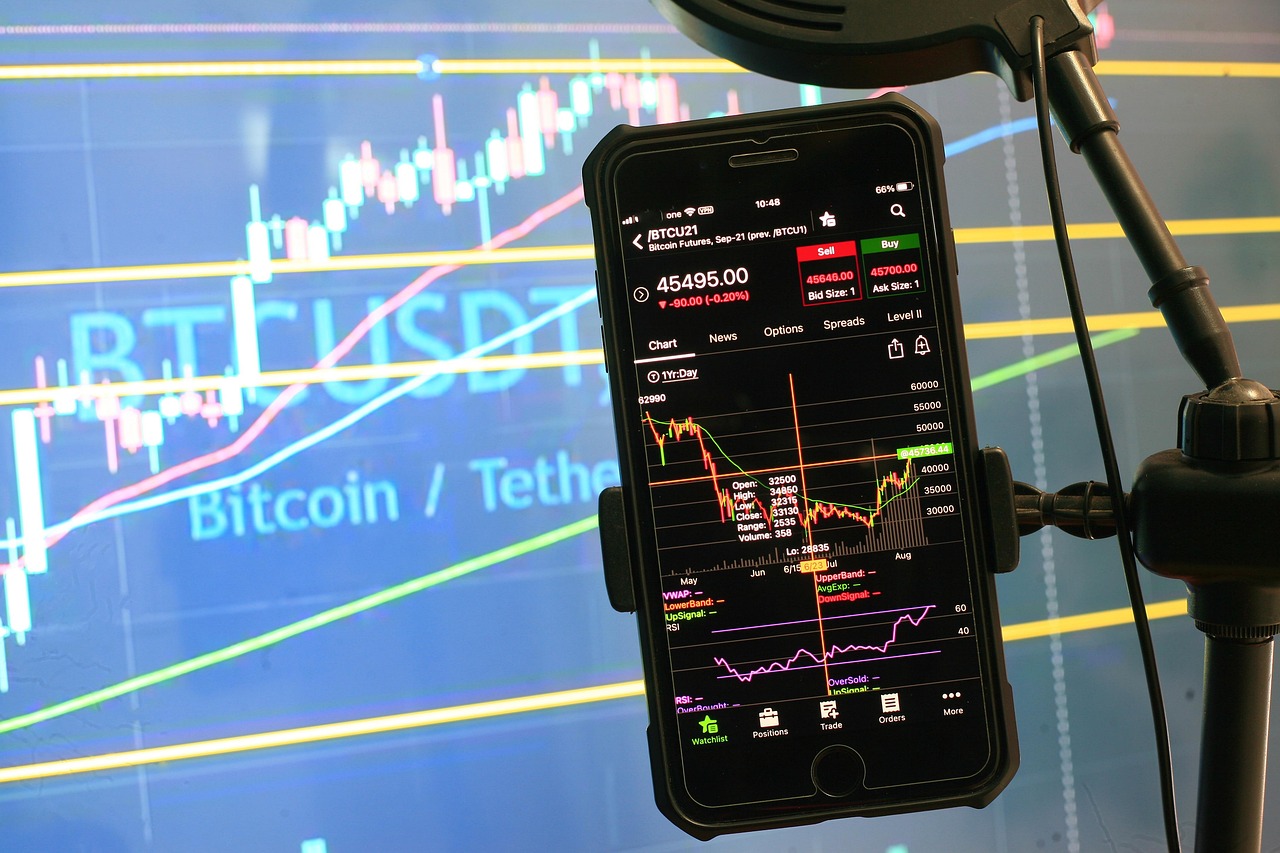
The global cryptocurrency market is grappling with the fallout of a massive security incident as the binance hack, estimated at a staggering $6.3 billion, sends shockwaves through digital asset valuations and investor confidence [51]. While the exchange has moved quickly to replenish 98% of the impacted tokens and resume phased withdrawals, the sheer scale of the breach—surpassing the $1.46 billion Bybit attack of early 2025—has reignited fierce debates over the safety of centralized trading platforms [10] [51]. Investigators have traced the breach to a sophisticated multi-point compromise, initially involving a DevOps engineer's laptop, which allowed attackers to reach sensitive wallet infrastructure [8] [51]. As the industry processes this theft raises questions about the long-term viability of exchange-based custody, the incident has already triggered significant market liquidations, with Bitcoin falling below the $80,000 threshold in the immediate aftermath [51].
The Mechanics of a $6.3 Billion Theft
The binance hack was not a single exploit but a months-long campaign characterized by advanced social engineering and technical persistence [10]. Attackers reportedly utilized internal AI tools to target wallet engineers through fake job interviews, eventually gaining the on-chain permissions necessary to drain assets across multiple blockchain networks [8]. According to blockchain analytics firm Elliptic, the total value of digital assets siphoned from the platform reached approximately $6.43 billion, though Binance's internal estimates place the impact closer to $6.3 billion [51].
Containment and Recovery Efforts
Despite the unprecedented scale of the billion theft, Binance has utilized its Secure Asset Fund for Users (SAFU), corporate reserves, and insurance resources to absorb the losses, claiming that customers have suffered no direct financial impact [51]. By early November, the exchange reported that the vast majority of stolen assets had been replaced [10]. However, the recovery process remains complex; while billions in stolen funds have been frozen or seized by law enforcement and blockchain investigators, these frozen assets are not yet fully recovered or returned to the exchange's liquid treasury [51]. Furthermore, persistent on-chain permissions granted during the breach complicated initial containment efforts, explaining why simply pausing withdrawals did not immediately halt every outflow [8] [10].
Market Contagion and the Theft Raises Security Alarms
The binance hack has had a measurable impact on broader market sentiment, leading to what analysts describe as a "cautious" environment across the DeFi and CeFi sectors [24]. Beyond the immediate price drop in Bitcoin, other platforms have faced secondary security scares. For instance, BTCPay Server recently urged operators to shut down their instances following reports of hot-wallet sweeps linked to a vulnerability in versions 2.4.1 and earlier [9] [31]. Bitquery has already traced approximately $1.63 million in Bitcoin and Litecoin to addresses associated with these thefts [9].
The incident has also forced other major industry players to disclose their exposure. Solmate Infrastructure issued a specific disclosure stating it held no accounts or exposure to Binance, identifying Kraken, Anchorage Digital, and BitGo as the custodians for its 1.26 million SOL holdings [28]. This transparency highlights a growing demand for counterparty clarity in a post-hack market. Meanwhile, the theft raises the profile of long-standing criticisms from traditional finance figures like Warren Buffett, who has historically characterized Bitcoin's lack of productive value as a fundamental risk [51].
Institutional Response and Infrastructure Hardening
In response to the heightened risk environment, the industry is seeing a shift toward more robust institutional controls and decentralized alternatives. Aave has integrated Chainlink’s 24/7 data feeds to price tokenized real-world asset collateral, ensuring that valuations remain accurate even during weekends and holidays when traditional markets are closed [15]. This move aims to prevent the kind of stale-pricing exploits that often exacerbate losses during periods of high volatility or network stress [15].
Evolving Governance and Custody Standards
Governance protocols are also being overhauled to prevent "governance attacks" that could lead to unauthorized fund movements. The ENS DAO is currently voting on a "Governor Nexus Update" to close critical weaknesses, such as a one-block voting delay that previously gave delegates only 12 seconds to coordinate against hostile proposals [54]. Similarly, the XRP Ledger is moving toward activating a token-permission fix supported by 33 of 35 trusted validators to enhance network-level security [55].
On the custody front, Tether has emerged as a major corporate holder, with CEO Paolo Ardoino revealing a treasury of 150,000 BTC worth approximately $11.5 billion [11]. This disclosure places Tether among the world's largest corporate Bitcoin whales, second only to MicroStrategy [11]. The ability of such large entities to maintain secure, massive treasuries is being watched closely as a benchmark for institutional-grade custody in the wake of the binance hack [11] [51].
What to Watch Next
Investors should closely monitor the final stages of Binance's withdrawal resumption and any further reports from the FBI regarding the "TraderTraitor" hacking group [51]. The upcoming Q3 results from Circle on November 4 will provide critical data on USDC reserve economics and the costs of maintaining stablecoin distribution in a high-risk environment [18]. Additionally, the activation of the Dash V24 hard fork on November 9 and the Zcash NU7 upgrade on November 5 will test whether protocol-level improvements can restore confidence in network-specific security and transaction efficiency [14] [49].