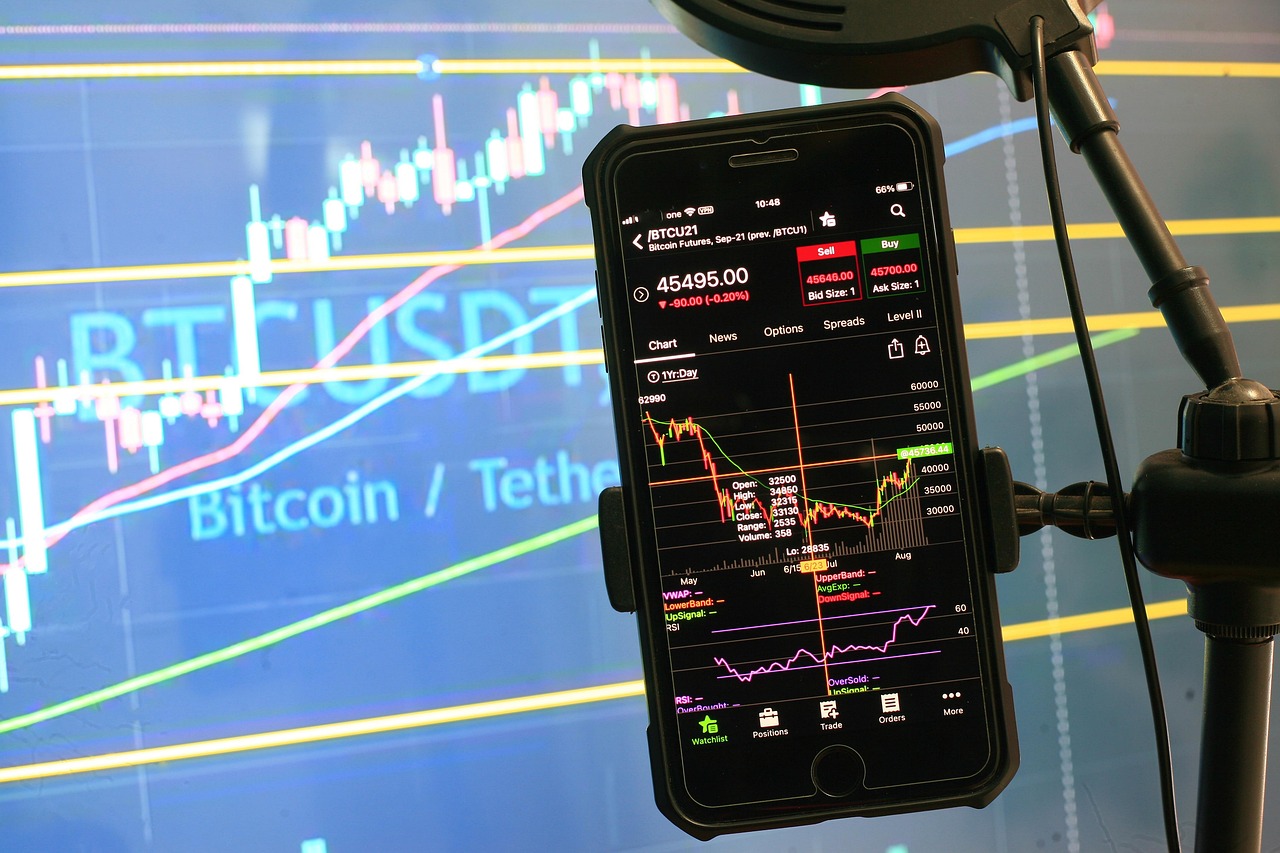
The cryptocurrency market is currently navigating a period of intense volatility following a major security breach at Binance, which has triggered a significant price drop across major digital assets. Market sentiment shifted sharply as spot ETFs recorded substantial outflows, reversing a multi-day trend of net inflows and adding downward pressure to a market already reeling from over $1.5 billion in leveraged liquidations [3]. While Binance has moved aggressively to replenish lost funds using its emergency reserves, the combination of institutional redemptions and forced selling in derivatives markets has kept Bitcoin struggling to maintain support levels above $77,000 [3].
Institutional Sentiment Shifts as Spot ETFs See Redemptions
The institutional appetite for digital assets faced a stern test this week as US-based spot ETFs registered approximately $643.33 million in net outflows on October 30 [3]. This reversal ended a four-session streak of positive inflows, suggesting that institutional investors may be de-risking in response to the heightened security concerns surrounding the industry's largest exchange [3]. BlackRock’s IBIT led the retreat with $233.7 million in redemptions, closely followed by Fidelity’s FBTC, which saw $201 million in exits [3]. This shift in the spot crypto etf landscape highlights how sensitive institutional products have become to broader exchange-level contagion risks.
Impact on Grayscale ETFs and Market Liquidity
While the newer funds saw the heaviest immediate exits, the broader pressure on Grayscale ETFs and other established vehicles contributed to a general thinning of market depth. This lack of liquidity was mirrored in the decentralized finance (DeFi) sector, where Curve’s daily trading volume plummeted by nearly 50% to $424.96 million, down from over $847 million just a day prior [13]. Analysts observe that while the price drop was exacerbated by these outflows, the market is also contending with a sharp selloff in the Nasdaq, as traditional investors grow wary of technology valuations, further dampening the environment for risk-on assets like Bitcoin [13].
Binance Breach Triggers $1.53 Billion in Liquidations
The catalyst for the current market instability was a security breach at Binance, which the exchange estimates affected roughly $6.3 billion in assets [3] [13]. The FBI has since attributed the attack to the North Korean state-backed group known as TraderTraitor [2] [7]. The resulting market panic forced the closure of $1.53 billion in leveraged positions, with long bets—traders wagering on higher prices—accounting for nearly 84% of the total wipeout [3]. Bitcoin-specific positions alone made up $499 million of these liquidations as the asset tested support near $76,300 [3] [13].
In response to the theft, Binance has initiated a massive recovery effort, reporting that 90% of the affected assets have already been replenished [7] [8]. This was supported by a significant transfer of 7,499 BTC, valued at approximately $581 million, from the exchange's Secure Asset Fund for Users (SAFU) [8] [10]. To fully cover the $6.3 billion impact, Binance has allocated company funds, including portions of its corporate treasury and futures insurance fund, while pledging to eventually restore the SAFU reserve to its $1 billion baseline [7] [8].
Contagion and Security Risks Across the Ecosystem
The fallout from the Binance incident has rippled through various DeFi protocols and infrastructure providers. Chainalysis, a prominent blockchain analytics firm, confirmed its own security breach on October 30, though it clarified the incident was unrelated to the Binance theft [4]. The breach exposed customer names and email addresses, raising concerns about targeted phishing attempts against government and financial institution clients [4]. Meanwhile, protocols like THORChain and b14g have faced their own challenges; THORChain paused swaps across 12 chains following a refund error, while b14g reported a drain of 97 million CORE tokens [11] [6].
The FBI's investigation into the Binance loot has also put pressure on cross-chain protocols. The bureau explicitly named THORNode operators in its appeal to block the laundering trail, noting that the protocol's controls allow for broad trading halts that can interrupt legitimate users [1] [2]. Analysts have traced approximately $140 million of the stolen funds through various exit routes, including Relay, THORChain, Chainflip and Symbiosis, as attackers attempt to obfuscate the movement of assets [2] [9].
As the market attempts to stabilize, investors are closely monitoring the spot etfs flow data for signs of returning confidence. Binance has targeted November 1 for a staged restart of withdrawal services, subject to rigorous security verification [3] [12]. The ability of the market to hold the $76,000 support level may depend on whether institutional redemptions slow and if the exchange can successfully demonstrate full backing of its assets through its promised proof-of-reserves report [3] [8].