Global financial markets are navigating a complex landscape marked by escalating geopolitical tensions driving oil prices, a hawkish shift in U.S. monetary policy, and persistent regulatory uncertainty in the cryptocurrency sector. A significant surge in oil prices above $105 per barrel reflects a sharp worsening of the geopolitical crisis, particularly in global energy markets [18]. Simultaneously, the U.S. Federal Reserve's recent interest rate hike signals a renewed tightening cycle, impacting various asset classes, while the failure of key crypto legislation has introduced further volatility into digital asset markets.
Geopolitical Tensions Drive Oil Price Today
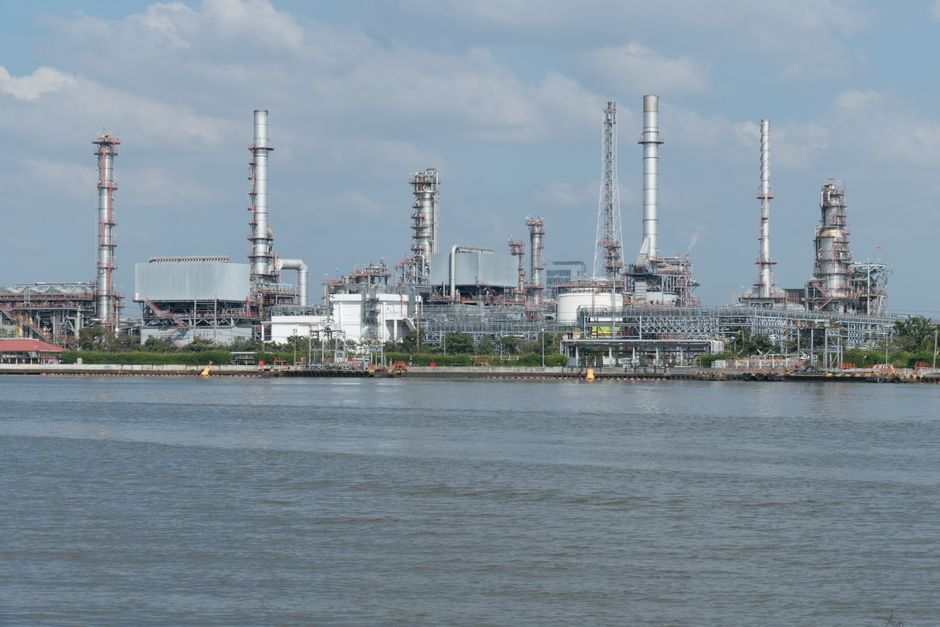
The global energy market has experienced a notable increase in oil prices, with Brent crude oil price reaching $105.60 a barrel on Wednesday [7], and WTI crude oil prices briefly exceeding $105 per barrel [18]. This surge is attributed to a sharp worsening of geopolitical and logistical crises, particularly following drone strikes on pumping stations of the East-West pipeline in Saudi Arabia, which effectively blocked a major route bypassing the Strait of Hormuz [18]. Saudi Arabia's cancellation of some September contracts for European clients and the suspension of shipments at Yanbu port further underscore serious damage to key infrastructure [18]. While WTI oil prices saw a local pullback below $103 per barrel as markets attempted to lock in profits, independent experts remain skeptical about a swift resolution, suggesting full restoration could take over six weeks [2]. The ongoing escalation from Houthis, expanding cross-border attacks on Saudi facilities and near-complete blockade of shipping through the Strait of Hormuz, continues to aggravate the situation [18].
Federal Reserve's Hawkish Stance and Market Impact
The U.S. Federal Reserve unanimously raised its key interest rate by 25 basis points to a range of 3.75-4.00%, marking the first rate increase since July 2023 and the official return to a tightening cycle [2] [6] [7] [10]. This decision was driven by core inflation persisting significantly above the 2% target and a fuel shock [2]. The revised Dot Plot projections indicate that 16 out of 18 FOMC members anticipate at least one more 25-basis-point rate hike before the end of 2026, with four officials not ruling out two additional steps, confirming a hawkish dominance within the Committee [2] [6] [10].
This hawkish stance has strengthened the US Dollar, pushing it to a seven-week high [6]. The Canadian dollar, for instance, weakened to 1.40 per US dollar, reaching a monthly low due to the widening interest rate differential between the US and Canada [2]. Higher interest rates generally present a headwind for non-yielding assets like silver and gold [15]. Silver prices, which had seen a modest rebound, fell to $63 per ounce, reflecting the synchronized reaction of commodity and technology markets to tightening by global regulators [2]. The Dow Jones Index fell by 1.21%, the S&P 500 Index declined by 0.45%, and the Nasdaq Technology Index closed down 0.01% by the end of Tuesday's session [2]. Despite these pressures, U.S. retail sales surged by 1.2% in August, even without gasoline sales, indicating robust consumer spending [11] [13].
Crypto Market Navigates Regulatory Gridlock
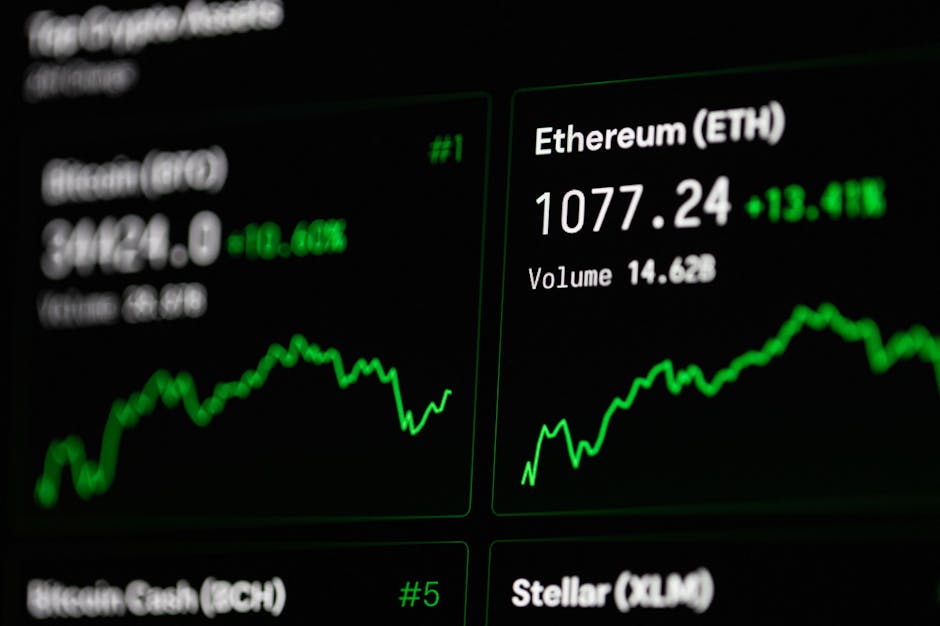
The cryptocurrency market experienced significant volatility following the U.S. Senate's failure to advance the Digital Asset Market CLARITY Act on September 15 [1] [4] [8] [16]. The bill, which aimed to establish a comprehensive regulatory framework for digital assets, fell short of the 60-vote threshold with a 50-49 vote [1] [7]. This procedural setback led to a market-wide sell-off, with Bitcoin dropping from nearly $80,000 to below $76,000 [4] [8] [16] [20]. Over $330 million in leveraged positions were liquidated across approximately 80,000 accounts within 24 hours of the vote [16]. US spot Bitcoin ETFs recorded net outflows of $450.4 million on September 15, marking the largest daily withdrawal since June 24 [12]. XRP also experienced a substantial decline, losing 9% in less than 12 hours and trading at $1.28 [19] [23].
In response to the legislative void, the SEC announced a temporary "Innovation Exemption" on September 17, designed to allow eligible tokenized crypto stocks to trade more widely in the U.S. [1]. SEC Chairman Paul Atkins and CFTC Chairman Selig have both indicated their intent to establish crypto rules using existing statutory authorities, regardless of congressional action [9] [16]. Amid this regulatory uncertainty, privacy-focused cryptocurrencies like Zcash saw a notable surge, with Zcash crypto rising 15% in 24 hours to trade at $1,330, as traders shifted towards assets less dependent on regulatory clarity [3] [7]. Bitcoin, despite the initial drop, showed some stabilization near $76,300 [4].
Outlook for Current Oil Prices and Crypto Regulation
The trajectory of crude oil price today remains highly sensitive to geopolitical developments in the Middle East, with the potential for sustained high current oil prices if supply disruptions persist [18]. Market participants will continue to monitor assessments regarding the restoration of pipeline capacity and the broader regional stability [2]. For the crypto market, the focus shifts to how the SEC's temporary exemption for tokenized stocks evolves and whether legislative efforts for a durable framework will be revived after the November midterm elections [1]. The Federal Reserve's commitment to further tightening, as indicated by the Dot Plot, suggests continued pressure on risk assets, including digital currencies, as investors weigh the attractiveness of yield-bearing instruments against speculative demand [2] [10]. The interplay between these macroeconomic and regulatory factors will likely shape market sentiment in the near term.