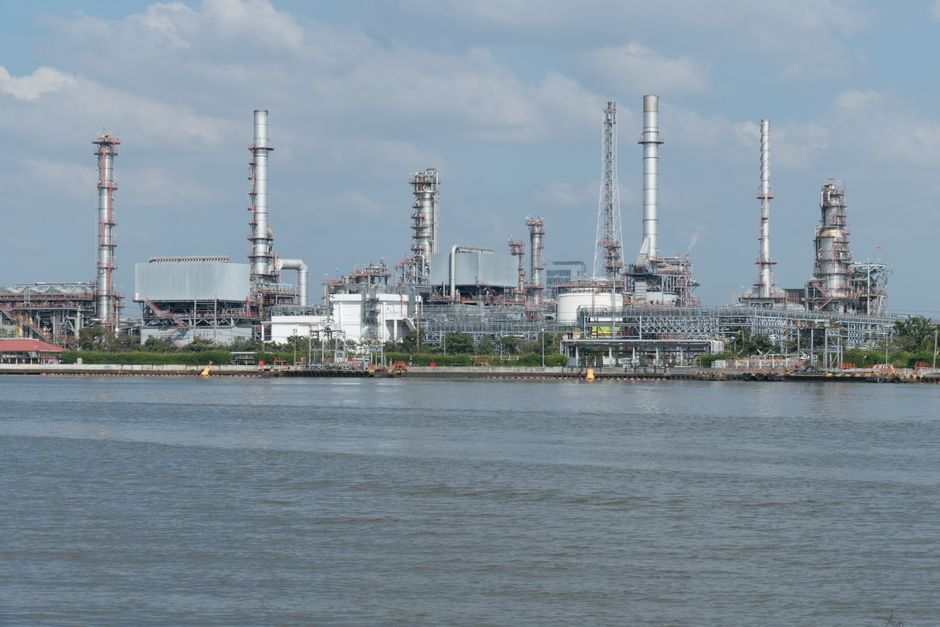
Global financial markets are grappling with a significant shift in sentiment as surging oil prices disrupt the anticipated path toward monetary easing. The recent rally in energy costs has introduced a fresh stagflationary impulse, forcing central banks to prioritize inflation control over economic growth support [8]. With WTI and Brent crude securing double-digit monthly gains, the geopolitical risk premium associated with tensions in the Middle East has effectively sidelined hopes for a rapid de-escalation in interest rate cycles [8]. This energy-driven pressure is coinciding with a critical week of U.S. labor data and midterm election uncertainty, creating a volatile environment for equities, currencies, and commodities alike [1] [7].
\n\nEnergy Markets and the Pressure on Central Banks
\nThe dramatic rise in energy costs through the end of October has fundamentally altered the global macroeconomic outlook. The wti crude oil price surged to $104.12 per barrel, while the brent crude oil price reached $117.64, marking a 15% monthly gain [8]. These current oil prices are being driven by escalating tensions around the Strait of Hormuz and the potential for renewed military operations involving Iran, which have effectively eliminated the market's expectation for a swift return to lower inflation [8].
\n\nAnalysts observe that these oil prices are directly undermining the policy goals of major central banks. In the United Kingdom, the Bank of England is expected to implement a 25-basis-point rate increase this week, as soaring energy costs outweigh concerns regarding sluggish economic activity [8]. Similarly, the Reserve Bank of Australia is anticipated to raise its cash rate from 4.60% to 4.85% to combat persistent inflationary pressures fueled by the energy shock [8]. Even in Japan, where policy has remained ultra-loose for years, the Bank of Japan has signaled that core inflation has reached its 2% target, heightening expectations for a potential rate hike to 1.5% as early as December [9].
\n\nGlobal Market Divergence and Sector Rotations
\nThe impact of high oil prices and restrictive monetary policy is manifesting in a deep structural rotation within equity markets. Investors are increasingly moving away from the technology sector and into traditional cyclical industries [8]. Recent market data highlights this trend: the NASDAQ Technology Index suffered a 3.46% decline in a single Friday session, contributing to a total monthly drop of 6.6% [8]. Significant losses were recorded across the semiconductor supply chain, with Nvidia falling 4.2%, AMD dropping 11.0%, and Intel plunging 28.6% following disappointing guidance [8].
\n\nCorporate Earnings and Margin Pressures
\nThe corporate landscape is showing signs of strain under the dual pressure of high interest rates and rising raw material costs. Apple shares recently fell approximately 4% despite beating revenue expectations with $114.5 billion in quarterly sales [5]. Investors were reportedly spooked by a disappointing margin forecast for the holiday quarter, suggesting that even tech giants are not immune to the tightening economic environment [5]. In Europe, industrial leaders such as BMW, Ferrari, and Bayer are preparing to report results under similar stagflationary conditions [8].
\n\nCurrency and Commodity Volatility
\nThe foreign exchange and commodity markets are reflecting the heightened uncertainty. The U.S. dollar has seen increased volatility against the Mexican peso, with the USD/MXN pair climbing to 18.84 as traders remain cautious ahead of U.S. midterm elections [1]. Meanwhile, the Japanese yen has found support from safe-haven demand and the return of global asset managers to the Japanese debt market, as bond yields become more attractive amid hawkish BoJ signals [9]. In the commodities space, gold and silver have faced downward pressure; international gold prices dropped below $3,910 an ounce as the rebound in oil prices and rising interest rate expectations dampened the appeal of non-yielding bullion [6].
\n\nLabor Market Catalysts and Economic Outlook
\nAs central banks monitor current oil prices, the focus in the United States has shifted to critical labor market data. The Bureau of Labor Statistics is scheduled to release job-openings data on November 3, followed by the October employment report on November 6 [7]. These releases are expected to reshape investor expectations for growth and the future path of Federal Reserve policy [7]. A resilient labor market could provide the Fed with more room to maintain its hawkish stance, especially as oil prices continue to feed into headline inflation figures [8].
\n\nThe intersection of energy shocks and labor data creates a complex narrative for risk assets like Bitcoin. While strong hiring can bolster confidence in household income, it also reduces the urgency for the monetary easing that often supports crypto valuations [7]. Consequently, the market's response to the upcoming payroll figures will likely depend on how they influence the broader "price of money" across global financial markets [7].
\n\nWhat to watch next: Investors should closely monitor the Bank of England's rate decision on Thursday and the U.S. non-farm payroll data on Friday [4] [7]. Any further escalation in the Middle East that impacts current oil prices will likely cement the hawkish bias of central banks, potentially leading to further corrections in the technology sector and continued volatility in the currency markets [8] [9].
\n\n", "title": "Oil Prices Surge as Central Banks Abandon Hopes for Monetary Easing", "subtitle": "WTI Crude Oil Price Hits $104 as Geopolitical Tensions and Inflation Pressures Force Global Policy Shifts", "seo_meta": { "description": "Surging oil prices and persistent inflation are forcing central banks to maintain hawkish policies, disrupting global markets and tech valuations.", "keywords": [ "oil prices", "central banks", "monetary policy", "inflation" ] }, "image_search_terms": [ "oil refinery", "trading floor" ] }